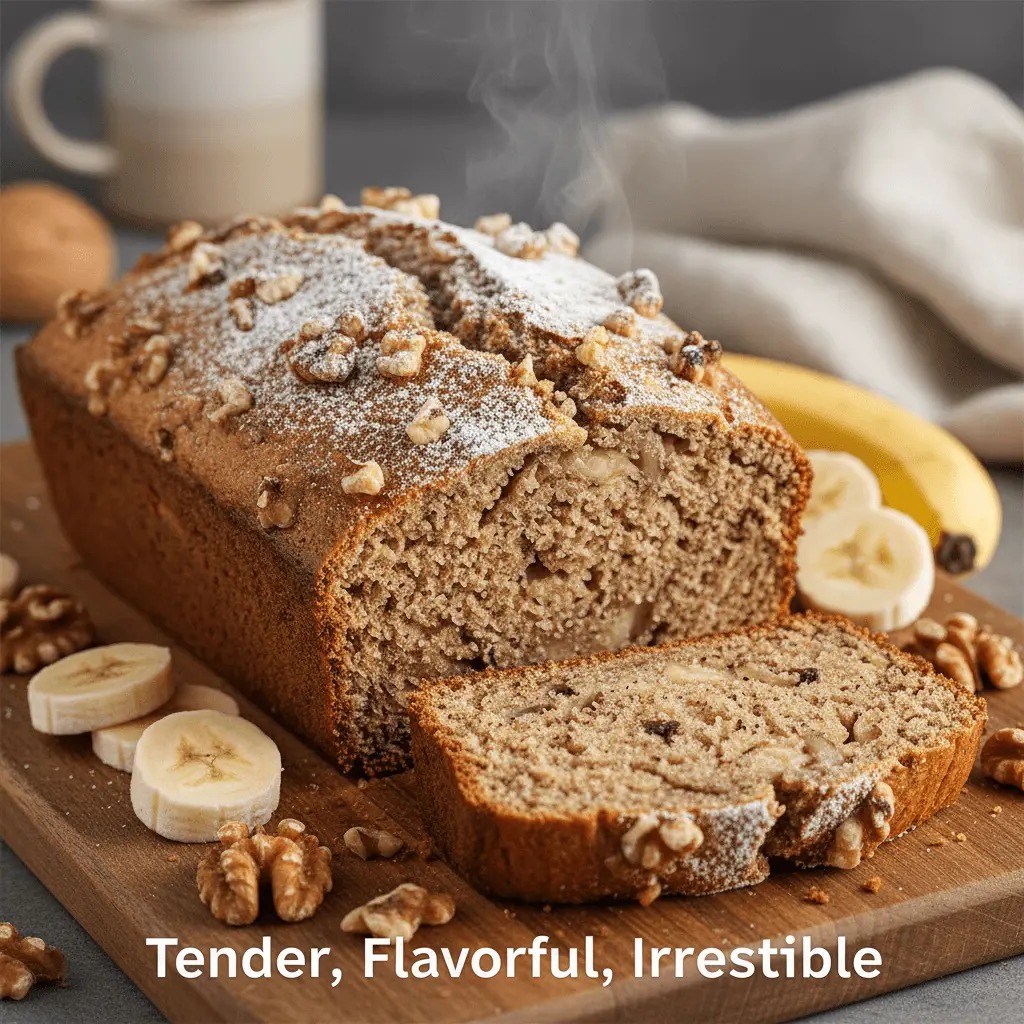
Get ready to transform your ripe bananas and sourdough discard into a delightful treat! This sourdough banana bread recipe creates an incredibly moist loaf with a perfectly tender crumb and a subtle tangy depth of flavor. Understanding the complex interplay of microbes in sourdough reveals how fermentation contributes to its unique aroma and flavor profile, as highlighted by culinary science. The Science of Sourdough: Fermentation, Microbes & Flavor It is an easy, straightforward way to use your discard and bake a delicious, beginner-friendly bread. You’ll love how simple it is to achieve bakery-quality results right in your own kitchen.
Why You’ll Love This Sourdough Banana Bread
This recipe is a true gem, offering a delightful twist on a classic. Here are just a few reasons why you will adore this sourdough banana bread:
- Perfectly Uses Sourdough Discard: It’s an excellent way to prevent waste and add unique flavor to your baking routine.
- Exceptional Moistness and Tender Crumb: The combination of ripe bananas and sourdough discard ensures a wonderfully soft and moist loaf every time.
- Unique Tangy Depth of Flavor: The sourdough adds a subtle, complex tang that beautifully complements the sweetness of the bananas.
- Simple, Straightforward Baking Process: Even if you are new to baking, these clear steps make success easy and stress-free.
- Versatile for Any Meal or Occasion: Enjoy it for breakfast, a snack, or even a simple dessert with coffee or tea.
Ingredients
Gather these simple ingredients to create your moist and flavorful sourdough banana bread:
- 8 tablespoons unsalted butter, melted
- 1 cup dark brown sugar (or light brown or white sugar)
- 2 large eggs
- 3 medium very ripe bananas, mashed
- 3 tablespoons sour cream
- 1 teaspoon vanilla extract
- 1/2 cup unfed sourdough starter (or active starter)
- 2 cups all-purpose flour
- 2 teaspoons baking powder
- 1/2 teaspoon baking soda
- 1 teaspoon fine sea salt
- 1/2 cup chopped walnuts (or pecans), optional
Notes & Substitutions
Carefully choosing and preparing your ingredients makes all the difference in this sourdough banana bread.
- Sourdough Starter: Use unfed discard straight from the fridge for convenience and a mellow tang. An active, fed starter works too, offering a slightly more pronounced sourdough flavor.
- Bananas: The riper, the better! Look for bananas with plenty of brown spots; they provide natural sweetness and moisture. If yours aren’t ripe enough, bake them on a baking sheet at 300°F (150°C) for 15-30 minutes until soft and dark.
- Butter: Unsalted butter adds richness. For a dairy-free option, use an equal amount of neutral oil like canola or vegetable oil.
- Sour Cream: This ingredient is key for moisture and a tender crumb. You can substitute with plain Greek yogurt for a similar effect.
- Sugar: Dark brown sugar contributes a deep, caramel-like flavor. Light brown sugar or granulated white sugar also work well.
- Flour: All-purpose flour is standard. For a slightly denser texture, you can try substituting up to half with whole wheat pastry flour.
- Leavening Agents: Always check the expiration dates on your baking powder and baking soda. Fresh leaveners ensure your bread rises beautifully.
- Add-ins: Feel free to get creative! Chocolate chips, other nuts like pecans, or even a sprinkle of cinnamon are fantastic additions.
Equipment
You won’t need many specialized tools for this easy sourdough banana bread recipe.
- Mixing bowls (3)
- Whisk or fork
- Rubber spatula
- Measuring cups and spoons
- 9″x5″ loaf pan
- Wire cooling rack
Instructions
Follow these simple steps to bake a perfectly moist and flavorful loaf of sourdough banana bread.
1. Prepare the Oven and Pan: Preheat your oven to 350°F (176°C). Lightly grease and flour a 9″x5″ loaf pan to prevent sticking. This ensures your loaf releases easily after baking.
2. Mix Dry Ingredients: In a medium bowl, whisk together the all-purpose flour, baking powder, baking soda, and fine sea salt. Set this bowl aside. Thoroughly mixing these dry ingredients helps distribute the leavening evenly, ensuring a consistent rise throughout your bread.
3. Prepare Wet Ingredients: First, mash your three very ripe bananas in a separate bowl until they are mostly smooth. In a third large bowl, melt the 8 tablespoons of unsalted butter in the microwave. To the melted butter, add the dark brown sugar, large eggs, sour cream, vanilla extract, and the 1/2 cup of sourdough starter discard. Stir this mixture with a spatula until it is smooth and well combined. Finally, fold in the mashed bananas.
4. Combine Wet and Dry: Add the combined wet ingredients from the large bowl to the bowl with your dry ingredients. Stir them together gently with a spatula until just combined. Be careful not to overmix the batter; overmixing can lead to a tough, dry loaf. If you are using chopped walnuts or other optional add-ins, gently fold them into the batter at this stage.
5. Bake the Bread: Pour the prepared batter evenly into your greased and floured 9″x5″ loaf pan. Place the pan in the preheated oven. Bake for 50-60 minutes. To test for doneness, insert a toothpick into the center of the loaf; it should come out clean.
6. Cool and Serve: Once baked, allow the sourdough banana bread to cool in the loaf pan for 15 minutes. This helps the loaf set. Next, gently run a knife along the inside edges of the pan to help release the bread. Carefully transfer the loaf onto a wire rack. Let it cool completely on the rack before slicing. Cooling fully allows the flavors to meld and the texture to firm up, making it easier to slice cleanly.
Pro Tips for Success
Achieve the best possible sourdough banana bread with these expert tips.
- Very Ripe Bananas are Essential: Optimal banana ripeness is crucial for achieving the perfect balance of sweetness and moisture in your bread, enhancing both flavor and texture. For more insights on the role of bananas in baking, explore resources from trusted culinary experts like King Arthur Baking on banana ripeness. Always use bananas with lots of brown spots for maximum sweetness and moisture.
- Do Not Overmix the Batter: Overmixing develops gluten, leading to a tough, dense bread instead of a tender one. Mix until just combined.
- Ensure Leavening Agents are Fresh: Old baking powder or soda will result in a flat loaf. Test them if you are unsure.
- Accurately Measure Flour: Spoon flour into your measuring cup, then level it off with a straight edge. This prevents adding too much flour.
- Adjust Baking Time: For mini loaves or muffins, reduce the baking time significantly (usually 20-30 minutes for muffins).
- Consider a Parchment Paper Sling: Line your loaf pan with parchment paper, leaving an overhang on the long sides. This makes lifting the cooled loaf out incredibly easy.
Serving Suggestions, Storage, and Variations
Make the most of your delicious sourdough banana bread with these versatile ideas.
Serving Suggestions
Enjoy your warm sourdough banana bread slices with a pat of butter or a spread of cream cheese. It pairs wonderfully with a fresh cup of coffee or a comforting mug of tea. This versatile loaf is perfect as a fulfilling breakfast, a satisfying afternoon snack, or even a simple, delightful dessert.
Storage Instructions
Store leftover banana bread tightly wrapped in plastic wrap or in an airtight container at room temperature for up to 3-4 days. For longer freshness, refrigerate it for up to a week. You can also freeze individual slices or the whole loaf for up to 3 months. Wrap it tightly in plastic wrap and then foil before freezing. Thaw frozen bread at room temperature or reheat gently in the microwave or oven.
Recipe Variations
Personalize your sourdough banana bread with these easy modifications. Add warm spices like 1/2 teaspoon of ground cinnamon or a pinch of nutmeg to the dry ingredients for extra warmth. Fold in other fruits like dried cranberries or chopped dates, or try different nuts such as pecans or macadamia nuts. For a sweet finish, drizzle the cooled loaf with a simple glaze made from powdered sugar and a touch of milk. You can also easily divide the batter into muffin tins for sourdough banana bread muffins or use smaller loaf pans for mini loaves, adjusting the baking time accordingly.
Nutrition Information
Here is the estimated nutrition information per slice of sourdough banana bread (based on 12 servings).
| Nutrient | Amount (per slice) |
|---|---|
| Calories | 280-320 |
| Total Fat | 12-15g |
| Saturated Fat | 7-9g |
| Cholesterol | 45-55mg |
| Sodium | 200-240mg |
| Carbohydrates | 40-45g |
| Fiber | 1-2g |
| Total Sugars | 25-30g |
| Protein | 4-5g |
Note: These values are estimates and can vary based on specific ingredients and brands used.
Frequently Asked Questions (FAQ)
Find quick answers to common questions about baking this delightful sourdough banana bread.
- What if my bananas aren’t ripe enough? No problem! Bake unpeeled bananas on a baking sheet at 300°F (150°C) for 15-30 minutes until their skins turn black and they are soft. Let them cool before mashing.
- Can I use active sourdough starter? Yes, you certainly can use active starter! The flavor profile of your sourdough banana bread might be slightly more pronounced and tangy compared to using unfed discard.
- How do I measure flour accurately without a kitchen scale? Use the “scoop and level” method. Fluff the flour in its container, then spoon it gently into your measuring cup. Level off the top with a straight edge, like a knife.
- Can I make this recipe gluten-free? You can try substituting the all-purpose flour with a 1:1 gluten-free baking blend that contains xanthan gum. The texture might differ slightly, but it often works well.
- Why is my banana bread dry or gummy? Dryness usually comes from overmixing the batter or overbaking. A gummy texture can result from underbaking or too much moisture, often from not using ripe enough bananas.
Conclusion
This easy sourdough banana bread recipe is a wonderful addition to any baker’s repertoire, whether you are a seasoned pro or just starting out. It’s a fantastic way to utilize that sourdough discard, creating a loaf that is incredibly moist, tender, and full of rich, tangy banana flavor. We promise you’ll love its simplicity and delicious results. Try it today, and share your baking journey with us! Happy baking!