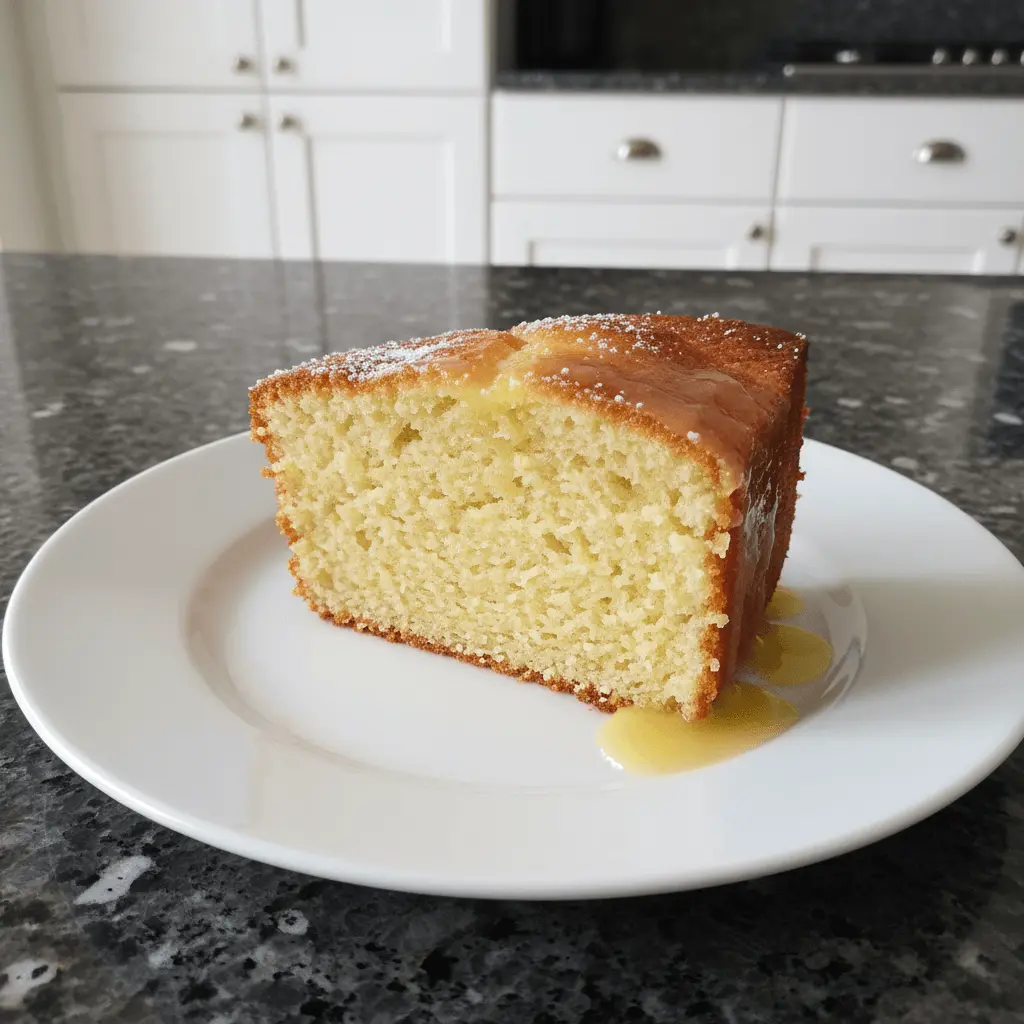
Welcome to your new favorite dessert: the Lemony Yogurt Pound Cake! This delightful loaf is a true testament to simple baking, delivering an unbelievably moist texture and a vibrant burst of fresh lemon flavor in every bite. Easy to make and impossible to resist, this pound cake elevates any occasion, from casual coffee breaks to elegant gatherings. Get ready to bake a loaf that will surely impress.
Why You’ll Love This Lemony Yogurt Pound Cake
You are going to adore this lemony yogurt pound cake for so many reasons! Its incredible moisture comes from the yogurt, creating a tender crumb that melts in your mouth. You can learn more about how Greek yogurt enhances moisture and texture in baked goods. You’ll also love the bright, intense lemon flavor, which perfectly balances sweetness with a zesty kick. Best of all, this recipe is straightforward to prepare, making it ideal for bakers of all skill levels. It offers comforting, elegant appeal, perfect for breakfast, dessert, or a lovely afternoon snack.
Ingredients
For the Lemony Yogurt Pound Cake:
- 4 ounces (113 g) unsalted butter, softened
- 1 cup (200 g) granulated sugar
- Zest of 1 large lemon (or 2 small lemons)
- 3 large eggs
- ½ cup (125 g) plain Greek yogurt
- 2 tablespoons fresh lemon juice
- 1 teaspoon vanilla extract
- 1½ cups (200 g) all-purpose flour
- 1 teaspoon baking powder
- ¼ teaspoon baking soda
- ½ teaspoon salt
For the Lemon Glaze:
- 3 tablespoons (45 g) granulated sugar
- 2 tablespoons fresh lemon juice
- 1 tablespoon water
Notes & Substitutions
Achieving the best results with your lemony yogurt pound cake starts with room temperature ingredients. Softened butter creams much better with sugar, creating air pockets for a lighter cake. To understand the science behind it, discover why room temperature butter and eggs are crucial for baking success. Likewise, room temperature eggs emulsify smoothly into the batter, preventing curdling. If you do not have plain Greek yogurt, regular plain yogurt or sour cream can work as a substitute, though Greek yogurt provides the most moisture and tang. Fresh lemon zest and juice are crucial here; they provide that authentic, bright lemon flavor you cannot get from bottled alternatives. For a gluten-free option, use a 1:1 gluten-free all-purpose flour blend.
Equipment
You don’t need fancy tools to make this delightful lemon yogurt loaf. A standard 9×5 inch loaf pan ensures perfect baking. A stand mixer with a paddle attachment or an electric hand mixer simplifies creaming butter and sugar. Small bowls are useful for whisking dry and wet ingredients separately. Don’t forget a microplane or zester for getting the most aromatic lemon zest! A wire rack is essential for cooling the cake evenly after baking and allowing the glaze to set.
Instructions
Step 1: Prepare the Pan & Preheat Oven.
Spray or butter a standard 9×5-inch loaf pan generously. For easy removal, you can line it with parchment paper, allowing the paper to overhang on the long sides. Preheat your oven to 350°F (175°C). This ensures the oven is at the correct temperature when the batter is ready, helping your lemony yogurt pound cake rise properly.
Step 2: Cream Butter, Sugar, and Zest.
To the bowl of a stand mixer, add the softened butter, granulated sugar, and lemon zest. Beat at high speed using the paddle attachment until the mixture becomes pale and fluffy. This process typically takes about 5 minutes, incorporating air that contributes to the cake’s light texture.
Step 3: Add Eggs.
Reduce the mixer speed to medium. Add the eggs one at a time, beating until each egg is fully incorporated into the butter mixture before adding the next. Scrape down the sides of the bowl as needed to ensure everything is well combined.
Step 4: Whisk Wet and Dry Ingredients Separately.
In a small bowl, whisk together the plain Greek yogurt, 2 tablespoons of fresh lemon juice, and vanilla extract until smooth. In a separate, larger bowl, whisk together the all-purpose flour, baking powder, baking soda, and salt. This ensures the leavening agents are evenly distributed throughout the dry ingredients.
Step 5: Combine Mixtures.
Switch to a spatula or a wooden spoon for this step to avoid overmixing. Add about one-third of the dry flour mixture to the butter mixture, stirring gently until just combined. Next, add about half of the yogurt mixture, stirring until just incorporated. Repeat this process, alternating with the remaining dry and wet ingredients, ending with the dry. Mix only until no streaks of flour remain. Overmixing can lead to a tough, dense lemony yogurt pound cake.
Step 6: Bake the Cake.
Pour the prepared batter evenly into your greased and floured loaf pan. Smooth the top with a spatula. Bake for 35-40 minutes in the preheated oven, or until the top is lightly golden brown. You can check for doneness by inserting a wooden skewer or toothpick into the center of the cake; it should come out fairly clean.
Step 7: Prepare the Lemon Glaze.
While the cake bakes, prepare the simple lemon glaze. In a small saucepan, combine the 3 tablespoons of granulated sugar, 2 tablespoons of fresh lemon juice, and 1 tablespoon of water. Bring the mixture to a gentle boil over medium-low heat, then reduce the heat and simmer for about 5 minutes. Stir occasionally until the glaze slightly thickens and becomes syrupy.
Step 8: Glaze and Cool.
Once the cake is out of the oven, let it cool on a wire rack in its pan for about 15 minutes. This allows the cake to firm up slightly. After 15 minutes, carefully remove the cake from the pan and place it directly on the wire rack. While the cake is still warm, pour the prepared lemon glaze evenly over the top, spreading it with a spoon to coat the surface. Let the lemony yogurt pound cake cool completely on the wire rack before slicing and serving. The glaze will set as it cools, creating a delightful finish.
Pro Tips & Troubleshooting
Quickly soften butter by cutting it into small pieces and letting it sit for 10-15 minutes, or by microwaving for 5-10 seconds. Room temperature eggs are crucial for emulsifying properly into the batter. Always avoid overmixing your batter; mix only until the flour streaks disappear to keep your cake tender. If your lemon glaze is too thick, add a tiny bit more water, a teaspoon at a time, until it reaches the desired consistency. For a perfectly risen, crack-free top on your citrus pound cake, gently spread the batter higher on the edges and lower in the center of the pan before baking. If your cake turns out too dry, ensure you are measuring flour correctly and not overbaking.
Serving, Storage & Variations
Serving Suggestions
This moist lemon yogurt loaf is delightful on its own, but you can elevate it further. Serve slices plain for a simple treat, or alongside a generous scoop of fresh berries like raspberries or blueberries. A dollop of whipped cream or a scoop of vanilla ice cream makes it an elegant dessert. It also pairs wonderfully with your morning coffee or afternoon tea.
Storage Instructions
Store your lemony yogurt pound cake at room temperature for up to 3 days, tightly wrapped in plastic wrap or in an airtight container. For extended freshness, refrigerate it for up to a week, ensuring it is well-wrapped to prevent drying out. You can also freeze individual slices or the whole cake (un-glazed, then glaze after thawing) for up to 3 months. Wrap tightly in plastic wrap, then foil, and thaw at room temperature before serving.
Flavor Variations
Get creative with your lemon yogurt loaf! Add 2 tablespoons of poppy seeds to the batter for a classic lemon poppy seed twist. Gently fold in a half cup of fresh blueberries or raspberries into the batter before baking for a fruity burst. Swap out lemon for other citrus; lime or orange zest and juice work beautifully. Instead of the simple glaze, try a rich cream cheese frosting for a decadent finish. A teaspoon of almond extract or some chopped nuts can also add a delightful new dimension.
Nutrition Information
Disclaimer: The following nutrition information is an estimate calculated using an “online nutrition calculator and may vary based on specific ingredients and preparation methods. It is provided for informational purposes only and should not be considered medical advice.
| Nutrient | Per Slice (1/12th of cake) |
|---|---|
| Calories | 280-320 |
| Total Fat | 12-15g |
| Saturated Fat | 7-9g |
| Cholesterol | 80-90mg |
| Sodium | 150-180mg |
| Carbohydrates | 38-42g |
| Fiber | 1g |
| Sugars | 25-30g |
| Protein | 5-7g |
FAQ
What type of yogurt is best for this recipe?
Plain Greek yogurt is ideal because its thick consistency adds significant moisture and a pleasant tang to the pound cake. You can use regular plain yogurt, but the texture might be slightly different.
Can I use bottled lemon juice instead of fresh?
While convenient, bottled lemon juice lacks the vibrant flavor and aroma of fresh lemons. For the best-tasting lemony yogurt pound cake, always opt for freshly squeezed lemon juice and fresh zest.
How do I prevent a dense pound cake?
To prevent a dense texture, ensure your butter and eggs are at room temperature and avoid overmixing the batter. Mix only until the ingredients are just combined.
Can I bake this in a Bundt pan?
Yes, you can! A Bundt pan would require adjusting the baking time to about 45-55 minutes. Be sure to grease and flour the Bundt pan very thoroughly to prevent sticking.
Is it possible to make it dairy-free?
Yes, you can substitute the butter with a dairy-free butter alternative and use a plain, unsweetened dairy-free yogurt (like almond or soy). Ensure your baking powder is also dairy-free.
Conclusion
You now have all the tools to create an unbelievably moist and zesty Lemony Yogurt Pound Cake. This recipe truly embodies simplicity and deliciousness, proving that amazing baked goods don’t have to be complicated. With its bright lemon flavor and tender crumb, this pound cake is sure to become a beloved staple in your kitchen. Go ahead, give this recipe a try and share your delightful creations!