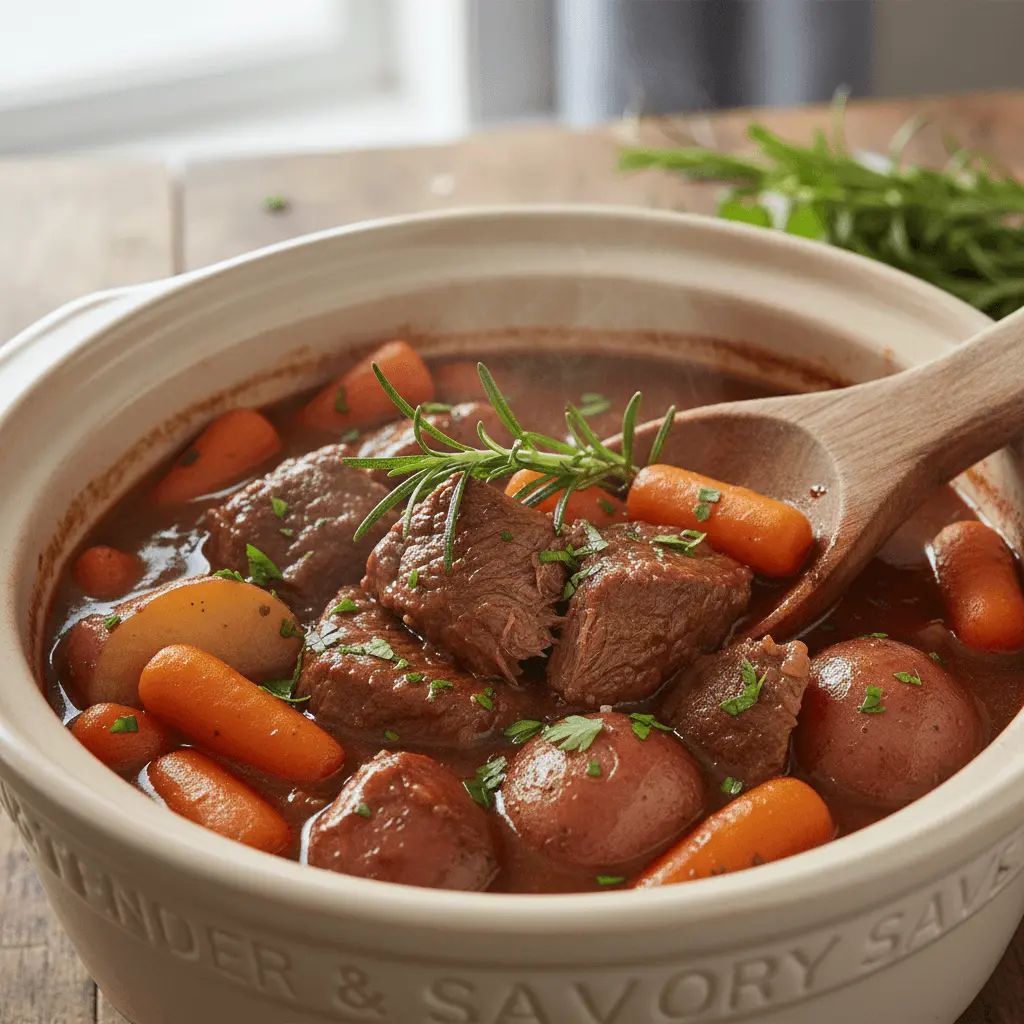
Introduction
Unlock delicious meals with minimal effort thanks to the magic of crockpot recipes. These slow-cooked wonders are a game-changer for anyone with a busy lifestyle, offering incredible convenience without sacrificing flavor. Get ready to explore a world of variety, from hearty stews to tender meats, perfect for every taste and occasion. Enjoy simple, satisfying home cooking any day of the week.
Why You’ll Love Slow Cooking
Embrace the ultimate convenience with slow cooking. These crockpot recipes are designed for your busy schedule, letting you prepare meals with ease.
- Minimal Prep Time: Spend just a few minutes assembling ingredients.
- “Set It and Forget It” Ease: Let your slow cooker do all the work while you go about your day.
- Tender, Flavorful Results: Understanding the culinary science behind slow cooking reveals how low heat and extended times break down tough connective tissues into tender gelatin. Low and slow cooking naturally breaks down tough fibers, creating incredibly tender meat and rich, developed flavors.
- Effortless Cleanup: Many recipes use a single pot, simplifying your post-meal cleanup.
Essential Ingredients for Crockpot Cooking
Mastering crockpot recipes begins with understanding key ingredients. Most dishes rely on a foundation of protein, vegetables, and flavorful liquids.
- Proteins: Opt for budget-friendly cuts like chicken thighs, chuck roast, pork shoulder, or ground turkey. They become incredibly tender in the slow cooker.
- Versatile Vegetables: Carrots, potatoes, onions, celery, and bell peppers are excellent choices. They hold up well to long cooking times and add depth.
- Essential Liquids: Broths (chicken, beef, vegetable), canned tomatoes, cream soups, and various sauces (BBQ, soy, hot sauce) provide moisture and flavor.
- Key Seasonings & Aromatics: Don’t forget garlic, herbs (dried or fresh), salt, and pepper to enhance taste.
Pantry Staples to Always Have
Keep these items on hand for quick and easy slow cooker meals:
- Canned goods: diced tomatoes, beans (black, kidney, cannellini), cream of mushroom or chicken soup.
- Spices and herbs: garlic powder, onion powder, dried oregano, thyme, cumin, chili powder.
Smart Substitutions for Flexibility
Easily adapt any of your favorite crockpot recipes:
- Protein Swaps: Use boneless, skinless chicken breasts instead of thighs, or pork loin instead of shoulder.
- Vegetable Alternatives: Swap sweet potatoes for regular potatoes, or add frozen peas and corn towards the end of cooking.
- Liquid Adjustments: Use water with a bouillon cube if you don’t have broth, or adjust sauce types to match your preference.
Choosing the Right Crockpot & Equipment
Selecting the right slow cooker makes a difference. Crockpots come in various sizes, typically 3-quart for small meals or 6-8 quart for families. Look for features like programmable timers or even a browning insert for one-pot convenience. Useful accessories include slow cooker liners for easy cleanup and a meat thermometer to ensure food safety.
Basic Steps for Delicious Crockpot Meals
Crafting amazing crockpot recipes is straightforward. Follow these simple steps for perfectly cooked, flavorful dishes every time.
First, prepare your ingredients. Chop vegetables uniformly so they cook evenly. Trim excess fat from meats. If a recipe calls for searing meat, do so in a separate pan before adding it to the crockpot. This step adds a significant layer of flavor, creating a deeper, richer taste in your final dish. While optional for some crockpot recipes, it’s highly recommended for beef and pork.
Next, layer your ingredients for optimal cooking. Place tougher, root vegetables like carrots and potatoes at the bottom of the pot. These items take longer to soften and benefit from direct contact with the heat source. Place your protein, such as chicken or beef, on top of the vegetables. Finally, pour in your liquids – broths, sauces, and canned tomatoes – ensuring they mostly cover the ingredients. Add delicate herbs or spices on top, distributing them evenly.
Then, set the temperature and cook times. Most crockpot recipes offer options for cooking on “low” for 6-8 hours or “high” for 3-4 hours. Cooking on low often yields more tender results, as the gentle heat allows flavors to meld slowly. Resist the urge to frequently lift the lid, as this releases heat and moisture, significantly extending the cooking time. Each peek can add 20-30 minutes to your cook time.
Finally, consider optional finishing touches. About 30 minutes before serving, you might add quick-cooking ingredients like pasta, fresh spinach, or dairy products (cream cheese, sour cream) that could break down or curdle if cooked for the entire duration. Fresh herbs like parsley or cilantro stirred in at the end brightens the flavors. A squeeze of lemon juice or a dash of hot sauce can also elevate the finished meal. These small additions make a big impact.
Pro Tips & Troubleshooting
Top Tips for Success
- Brown Meat for Flavor: Searing meat before adding it to the crockpot develops rich, complex flavors that elevate your dish.
- Proper Liquid Levels: Don’t overfill. Most crockpot recipes only need enough liquid to barely cover the ingredients since moisture doesn’t escape.
- Caution Against Lifting the Lid: Keep the lid on! Each time you peek, you release heat, extending the cooking time by at least 20-30 minutes.
- Add Dairy/Pasta Late: Incorporate ingredients like cheese, sour cream, or uncooked pasta during the last 30-60 minutes to prevent curdling or mushiness.
Common Issues & How to Fix Them
- Watery Results: Thicken sauces by stirring in a cornstarch slurry (1 tbsp cornstarch mixed with 1 tbsp cold water) during the last 30 minutes.
- Dry Meat: Ensure enough liquid is in the pot. For leaner meats, consider cooking on the “low” setting for a shorter duration or adding more fat.
- Overcooked Ingredients: Add delicate vegetables like bell peppers or zucchini in the last hour of cooking to retain their texture.
Serving Suggestions & Creative Variations
Serving Suggestions
Elevate your crockpot recipes with simple accompaniments:
- Serve hearty stews over fluffy white rice, creamy mashed potatoes, or egg noodles to soak up the delicious sauce.
- Pair richer dishes with crusty bread or warm tortillas for dipping.
- Balance heavy meals with a fresh green salad or steamed vegetables like green beans.
Creative Variations
Easily adapt any of your crockpot recipes to suit your mood:
- Spicy Kick: Add a diced jalapeño or a pinch of red pepper flakes with the other ingredients.
- Creamy Delight: Stir in cream cheese, heavy cream, or coconut milk during the last 30 minutes of cooking.
Storage & Freezing Tips
Properly store your slow cooker creations to enjoy them later.
- Safe Cooling: Let the meal cool completely before transferring it to airtight containers.
- Portioning & Freezing: Divide into individual portions for easy meal prep. Freeze for up to 3-4 months.
- Reheating Instructions: Thaw frozen meals overnight in the refrigerator. Reheat gently on the stovetop, in the microwave, or in the oven until piping hot.
Nutritional Considerations
Cooking at home with crockpot recipes offers excellent control over ingredients, promoting healthier eating. Slow cooking helps retain many nutrients in vegetables and meats, making it a wholesome choice. While convenient, always check the specific nutrition information for each recipe, especially for sodium or fat content. Adjust ingredients as needed to fit your dietary goals.
| Component | Description |
|---|---|
| Portion Size | Varies by recipe |
| Calories | Can be adjusted by ingredient choices |
| Protein | Excellent source from various meats/legumes |
| Fiber | High with added vegetables and whole grains |
| Fat | Choose lean meats or healthy fats |
| Sodium | Control with low-sodium broths/spices |
Frequently Asked Questions
- Can I let my crockpot cook longer than the recipe says? It is generally not recommended. Overcooking can lead to dry meat and mushy vegetables. Stick to the suggested cooking times for the best results in your crockpot recipes.
- Do I need to brown meat before slow cooking? While not strictly necessary for food safety, browning meat significantly enhances the flavor and color of your finished dish. It creates a richer, more complex taste.
- Can I put frozen meat in a crockpot? The USDA emphasizes that for food safety, it’s crucial to properly thaw frozen meat before slow cooking. For food safety reasons, it is best to thaw frozen meat completely before adding it to your slow cooker. Adding frozen meat can keep the internal temperature in the “danger zone” for too long. Learn more about safe slow cooker practices.
- How full should a crockpot be? For optimal cooking and even heat distribution, your crockpot should be between half and two-thirds full. Avoid overfilling or underfilling for the best results.
Conclusion
Crockpot recipes offer an unparalleled solution for delicious, home-cooked meals with minimal effort. Their “set it and forget it” nature means you can enjoy flavorful, tender dishes without being tied to the kitchen. We encourage you to explore the endless possibilities and experiment with different slow cooker recipes to find new family favorites. Embrace the simplicity and savor the rewards of convenient, satisfying cooking.