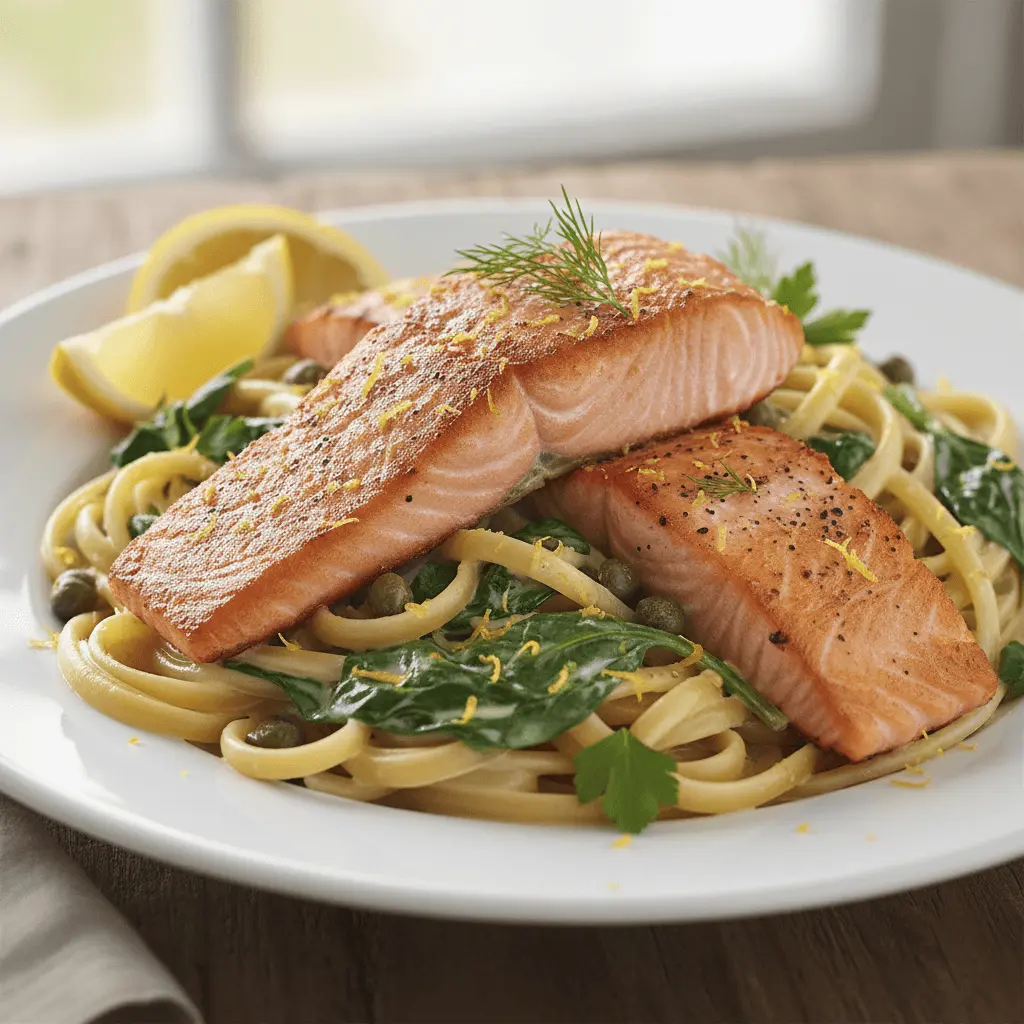
Welcome to the ultimate guide for creating vibrant salmon pasta recipes at home! Discover how simple it is to transform fresh salmon into a quick, satisfying, and truly impressive weeknight meal. This delightful dish offers a perfect blend of flaky, tender salmon and a rich, creamy sauce, all tossed with your favorite pasta. Using simple ingredients, you can achieve gourmet results that will quickly become a family favorite.
Why You’ll Love These Salmon Pasta Recipes
These delightful salmon pasta recipes are designed for ease and enjoyment, making them perfect for any home cook. You will appreciate how quickly this meal comes together.
- Ready in under 30 minutes, ideal for busy evenings.
- Elegant enough for guests or a special date night at home.
- Easily customizable with your favorite pasta shape and seasonal vegetables.
- Packed with lean protein and vibrant, fresh flavors.
- Often one-pan friendly, simplifying cleanup significantly.
Ingredients
Creating truly delicious salmon pasta recipes starts with high-quality ingredients. Gather these simple items to craft your next culinary masterpiece.
- Nonstick cooking spray
- 2 salmon fillets (about 3/4 pound total, or 1 large fillet)
- 1 teaspoon kosher salt (divided, plus more for pasta water)
- 1/2 teaspoon ground black pepper (divided)
- 12 ounces linguine (or your preferred pasta)
- 2 tablespoons unsalted butter
- 3 garlic cloves, minced
- 1 1/4 cups heavy cream
- 1/2 cup dry white wine (like Pinot Grigio)
- 1 teaspoon grated lemon zest
- 1 box baby spinach (5 ounces)
- 2 tablespoons capers
- Lemon wedges (for garnish, optional)
Notes & Substitutions
- Salmon: Choose fresh, wild-caught salmon for the best flavor and texture. Skin-on or off works.
- Pasta: Any long or short pasta, such as fettuccine, penne, or farfalle, complements this dish well.
- Dairy-Free: For a dairy-free option, use full-fat coconut milk in place of heavy cream.
- Wine alternative: Substitute the dry white wine with chicken broth and a generous squeeze of fresh lemon juice.
- Veggies: Boost nutrition by adding frozen peas, blanched asparagus, or chopped sun-dried tomatoes.
- Flavor Boosts: Fresh herbs like chopped dill, parsley, or chives enhance the final taste wonderfully.
Equipment
You won’t need many specialized tools for these satisfying salmon pasta recipes. Most items are standard kitchen essentials.
- A large pot for cooking pasta.
- A small rimmed baking sheet for roasting salmon.
- One large high-sided skillet or a deep pan.
- A sturdy cutting board and a sharp knife.
- A grater or zester for fresh lemon.
- A spatula or a pair of tongs for tossing.
Instructions
Follow these clear, step-by-step instructions to create a truly irresistible dish from our salmon pasta recipes. This method ensures perfectly cooked salmon and a luscious, creamy sauce every time.
- Prep Salmon: Preheat your oven to 350°F (175°C). Bring a large pot of water to a boil on your stovetop. Spray a small rimmed baking pan with nonstick cooking spray. Place the salmon fillets, skin side down if applicable, onto the prepared pan. Season the salmon with 1/2 teaspoon of salt and 1/4 teaspoon of black pepper.
- Roast Salmon: Transfer the seasoned salmon to the preheated oven. Bake for 16 to 18 minutes, or until the salmon is almost opaque throughout and its internal temperature reaches 145°F (63°C).
- Cook Pasta: While the salmon bakes, add a large pinch of salt to the boiling water in the pot. Cook the linguine according to the package instructions until it reaches an al dente texture.
- Sauté Aromatics: As the pasta cooks, melt the unsalted butter in a large high-sided skillet over medium heat. Add the minced garlic and cook for 1 minute, stirring constantly to prevent burning.
- Build Sauce: Pour the heavy cream into the skillet. Add the dry white wine, lemon zest, and the remaining 1/2 teaspoon of salt and 1/4 teaspoon of black pepper.
- Simmer Sauce: Increase the heat to medium-high and bring the mixture to a boil. Reduce the heat to medium and continue to cook for 5 to 6 minutes, stirring frequently, until the mixture thickens into a light sauce consistency. Reduce the heat to low.
- Combine & Wilt: Add the baby spinach and capers to the skillet with the sauce. Drain the cooked pasta thoroughly and add it directly on top of the spinach in the skillet.
- Toss Pasta: Cook over low heat for 1 to 2 minutes, tossing frequently, until the spinach is just wilted and the pasta is coated in the creamy sauce.
- Flake Salmon: Carefully remove the salmon from the oven. If using skin-on salmon, slip a spatula between the salmon flesh and skin to remove the skin; discard it. Break the cooked salmon into large, flaky chunks directly over the pasta in the skillet.
- Serve: Gently toss to combine the salmon with the pasta and sauce. Serve immediately, garnished with fresh lemon wedges for squeezing over the pasta, if desired.
Pro Tips & Troubleshooting
Ensure your salmon pasta recipes turn out perfectly every time with these helpful tips and quick fixes.
- Perfect Salmon: Avoid overcooking the salmon. It should be flaky and moist, not dry. Aim for an internal temperature of 145°F. For optimal food safety and to ensure salmon is cooked to perfection, the USDA offers clear guidelines on safe internal temperature for cooking salmon.
- Pasta Water: Always reserve about a cup of starchy pasta water before draining. Use it to loosen the sauce if it becomes too thick.
- Sauce Consistency: If your sauce is too thin, simmer it gently for a few more minutes. If too thick, stir in a tablespoon or two of reserved pasta water or extra cream.
- Prevent Curdling: Ensure your heavy cream is at room temperature before adding it to a hot pan. This helps prevent the sauce from curdling.
- Adding Acidity: A final squeeze of fresh lemon juice just before serving brightens all the flavors and adds a zesty finish.
- Spice It Up: For a bit of heat, add a pinch of red pepper flakes along with the garlic in step 4.
Serving, Storage & Variations
These versatile salmon pasta recipes are easy to adapt for any occasion and store for later enjoyment.
- Serving Suggestions: This creamy pasta dish pairs beautifully with a simple side salad dressed with a light vinaigrette or a piece of crusty garlic bread.
- Reheating: Leftovers are best reheated gently on the stovetop over low heat. Add a splash of milk or broth to revive the sauce’s creaminess.
- Storage: Store any leftover salmon pasta in an airtight container in the refrigerator for 1 to 2 days.
- Freezing: Due to the delicate nature of the creamy sauce and cooked salmon, freezing this dish is not recommended as it can alter the texture.
- Protein Variations: Feel free to swap the salmon for cooked shrimp, shredded chicken, or even use quality smoked salmon for a different flavor profile.
- Vegetable Additions: Incorporate other vegetables like steamed broccoli florets, sautéed mushrooms, or halved cherry tomatoes for added color and nutrients.
- Cheese Pairings: A sprinkle of freshly grated Parmesan cheese or a dollop of soft goat cheese can add extra richness and tanginess.
Nutrition
Enjoying these delightful salmon pasta recipes offers a good balance of macronutrients, making it a satisfying meal.
| Nutrient | Per Serving (Estimated) |
|---|---|
| Calories | 750 kcal |
| Protein | 38g |
| Fat | 48g |
| Saturated Fat | 24g |
| Carbohydrates | 45g |
| Fiber | 3g |
| Sodium | 780mg |
This dish is rich in protein from the salmon, which also provides beneficial Omega-3 fatty acids, supporting heart and brain health. The American Heart Association provides comprehensive information on how consuming fish rich in Omega-3s can significantly contribute to cardiovascular wellness. It offers complex carbohydrates from the pasta for energy and healthy fats. Please note that nutritional values are estimates and can vary based on specific ingredients and portion sizes.
FAQ
Here are answers to some common questions about preparing these salmon pasta recipes.
- Can I use frozen salmon? Yes, you can. Ensure the frozen salmon fillets are completely thawed and patted dry before you begin cooking them.
- What kind of white wine works best? Dry white wines, such as Pinot Grigio, Sauvignon Blanc, or Chardonnay, are ideal as they add a subtle tang without sweetness.
- Can I make this dish spicier? Absolutely! Add a generous pinch of red pepper flakes to the skillet with the garlic for an extra kick.
- How do I prevent the sauce from breaking? To prevent the creamy sauce from separating or breaking, avoid overheating it once the cream is added. Also, ensure the cream is not extremely cold when added to the hot pan.
- Is it possible to make this recipe ahead of time? While this dish is best enjoyed fresh, you can prepare the salmon and sauce components separately a few hours in advance. Reheat the sauce gently and combine with freshly cooked pasta and salmon.
Conclusion
You now have everything you need to create truly delicious and memorable salmon pasta recipes in your own kitchen. This dish perfectly marries the convenience of a quick weeknight meal with the elegance of a gourmet creation, proving that impressive food doesn’t have to be complicated. Embrace its versatility, healthy benefits, and incredible flavor profile. We encourage you to try this crowd-pleasing dish soon. Feel free to experiment with your favorite pasta shapes and fresh ingredients. Share your unique customizations and experiences with us; we love hearing how you make these recipes your own!