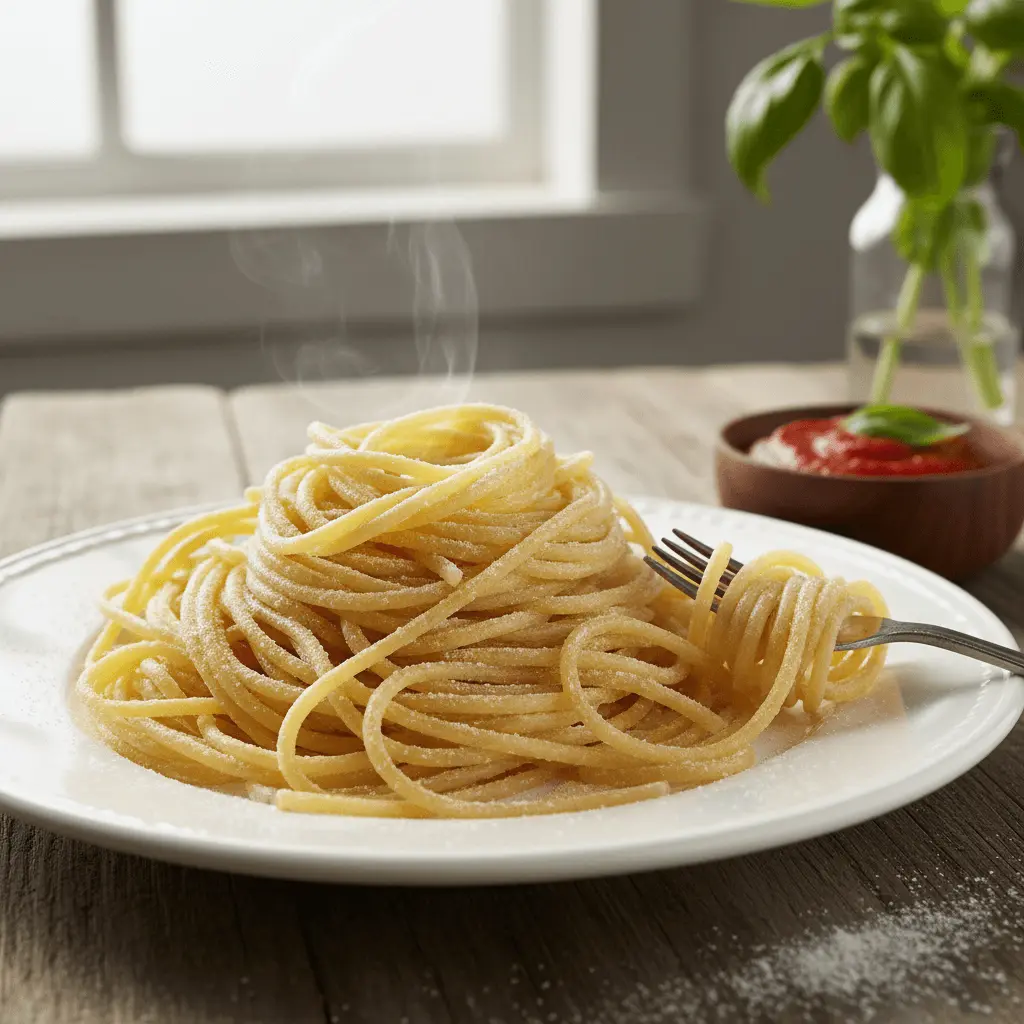
Craving the fresh, comforting taste of homemade pasta but follow a gluten-free diet? Look no further! This incredible recipe brings you delicious homemade gluten free pasta recipes that taste just like the real deal. You’ll achieve a perfect texture and flavor, far superior to store-bought options. It’s a fantastic solution for anyone with gluten sensitivities who misses traditional pasta.
Why You’ll Love This Gluten-Free Pasta Recipe
You will adore this recipe for many reasons, making it a new favorite in your kitchen:
- It delivers a superior, satisfying texture and chew, unlike many store-bought alternatives.
- The dough is surprisingly easy to work with, even for beginners, making fresh pasta accessible.
- This versatile pasta forms a wonderful base for countless sauces and dishes.
- It’s a fantastic wheat-free alternative that doesn’t compromise on taste or quality.
- This recipe is naturally vegetarian-friendly, perfect for a wide range of meal plans.
Ingredients
Gather these simple ingredients to create your own homemade gluten free pasta recipes:
- 2 cups all-purpose gluten-free flour, such as Petra: A high-quality blend is key for texture.
- 4 large eggs: Provide structure and richness to the dough.
- 1 large egg yolk: Adds extra richness and helps with elasticity.
- 1/4 teaspoon kosher salt: Enhances the flavor of the pasta itself.
Notes & Substitutions
Understanding different flours can greatly improve your baking results, as noted in a comprehensive guide to gluten-free flour blends. When choosing your gluten-free flour blend, opt for one specifically designed for baking or pasta. Different brands have varying absorption rates, so you might need to adjust liquid slightly. If your dough feels too dry during kneading, add cold water one teaspoon at a time until it comes together. For egg alternatives, you can try flax eggs (1 tablespoon ground flaxseed meal + 3 tablespoons water per egg) or commercial egg replacers, though the texture may vary.
Equipment
You won’t need much special equipment to make these amazing gluten free pasta recipes:
- Standard mixing bowl: For combining your initial ingredients.
- Pasta maker or rolling pin: Essential for rolling out uniform pasta sheets.
- Large pot: For boiling your freshly made pasta.
- Fork: Handy for breaking up eggs and initially mixing the dough.
Instructions
Follow these clear, step-by-step instructions to create perfect homemade gluten free pasta recipes:
Step 1: Make the Dough
Place the gluten-free flour in a medium bowl and create a well in the center. Add the four eggs and the single egg yolk into this well. Using a fork, gently break up the eggs, slowly incorporating the surrounding flour a little at a time. Continue mixing until the ingredients form a rough dough. Pour the dough out onto a lightly floured surface and knead it for 2 to 3 minutes to bring it together smoothly. If the dough feels too dry or crumbly, add cold water one teaspoon at a time until it reaches a cohesive consistency. Divide the dough into four equal pieces and tightly wrap three of them with plastic wrap to prevent drying.
Step 2: Roll the Pasta
Take one piece of dough and dust it generously with additional gluten-free flour. Flatten it slightly with the heel of your hand. Using a pasta roller set on the thickest number, carefully roll the pasta into a sheet. Dust with more flour as needed to prevent sticking. Fold the pasta sheet into thirds, then press it down gently. Pass the folded dough through the roller again. Repeat this folding and rolling process two more times. Be patient during this step; the dough may crack slightly at first, but with more folding and rolling while dusted with flour, it will become much smoother. Gradually start to reduce the thickness setting on your roller until you reach your desired pasta thickness. We often find number 4 or 5 on our roller works best for delicious gluten free pasta recipes. Continue this process with the remaining dough portions.
Step 3: Cut & Cook the Pasta
Once you have rolled your pasta sheets to the desired thickness, cut the sheet into your preferred pasta shape and length. Fettuccine, linguine, or even wide lasagna noodles work wonderfully. Bring a large pot of water to a rolling boil over high heat. Season the boiling water generously with salt. Add the fresh pasta to the pot and cook for just 1 ½ to 2 minutes, or until the pasta is al dente. Fresh pasta cooks very quickly! Serve your delicious homemade pasta immediately, tossed with Parmesan cheese and your favorite pasta sauce. Enjoy your freshly made gluten free pasta recipes!
Pro Tips & Troubleshooting
Achieving perfect gluten-free pasta is simple with these tips. For ideal dough consistency, ensure your dough is pliable but not sticky; it should feel like play-doh. If the dough is too sticky, add a sprinkle of gluten-free flour; if it’s too dry, a tiny bit of water helps. When rolling, dust the dough generously and frequently with GF flour to prevent sticking to your hands or the machine. This ample flour is crucial. To prevent fresh pasta from sticking together after cutting, spread it out on a floured surface or hang it to dry slightly for about 15-20 minutes before cooking. Always cook fresh pasta in generously salted, rapidly boiling water to ensure it cooks evenly and to “al dente” perfection.
Serving, Storage, & Variations
This versatile pasta is perfect for many meals.
Serving Suggestions
Pair your fresh pasta with classic Italian sauces like marinara, pesto, or a rich carbonara. For a simple yet flavorful meal, toss it with good quality olive oil, fresh garlic, and grated Parmesan cheese. You can also incorporate seasonal vegetables for a light and healthy option.
Storage Instructions
Store uncooked fresh pasta by letting it air dry slightly on a floured surface for about 30 minutes, then coil into nests and place in an airtight container in the refrigerator for up to 2 days. To store cooked pasta, cool it completely, then refrigerate in an airtight container for up to 3 days. Freezing fresh gluten-free pasta is also an option; arrange nests on a baking sheet, freeze until solid, then transfer to a freezer-safe bag for up to 1 month.
Variations
Experiment with different pasta shapes beyond fettuccine; try spaghetti, linguine, or even wider lasagna sheets. You can easily adapt this dough for delicious ravioli or gnocchi by adjusting the thickness and shape. For added flavor, incorporate finely chopped fresh herbs like basil or parsley directly into the dough during the kneading process.
Nutrition Information
Making your own pasta ensures you know exactly what goes into your meal. This recipe offers a satisfying and wholesome base for many dishes. Enjoying these homemade gluten free pasta recipes provides both comfort and peace of mind.
| Nutrient | Per Serving (estimated) |
|---|---|
| Calories | 320 kcal |
| Protein | 12g |
| Total Fat | 8g |
| Saturated Fat | 2g |
| Carbohydrates | 50g |
| Fiber | 3g |
| Sodium | 150mg |
Note: Nutrition values are estimates and can vary based on specific ingredient brands.
Frequently Asked Questions (FAQ)
Can I use a stand mixer for the dough?
Yes, you can use a stand mixer with a dough hook. Mix on low speed until a shaggy dough forms, then knead for 2-3 minutes.
How do I prevent gluten-free pasta from breaking?
Be generous with gluten-free flour during rolling and handle the dough gently. Don’t overwork it, and ensure it’s not too dry.
What are the best gluten-free flour brands?
Brands like Bob’s Red Mill 1-to-1 Baking Flour, King Arthur Gluten-Free Measure for Measure Flour, or Petra are excellent choices for these gluten free pasta recipes.
Can this pasta dough be frozen?
Yes, you can freeze the dough for up to a month. Thaw it in the refrigerator overnight before rolling and cutting.
Is fresh gluten-free pasta healthier?
While “healthy” is subjective, homemade fresh pasta avoids additives often found in store-bought versions. It offers fresh ingredients and no preservatives. Learn more about the benefits of cooking at home.
Can this dough be used for ravioli or lasagna?
Absolutely! This dough works beautifully for both ravioli and lasagna sheets. Just roll it to your desired thickness for these applications.
Conclusion
Creating your own homemade gluten-free pasta is a rewarding experience, offering unparalleled flavor and texture. This recipe proves that dietary restrictions don’t mean sacrificing delicious, authentic Italian meals. We encourage you to try these easy gluten free pasta recipes and discover the joy of fresh, homemade pasta. You’ll be amazed at the delicious and satisfying results you can achieve right in your own kitchen!