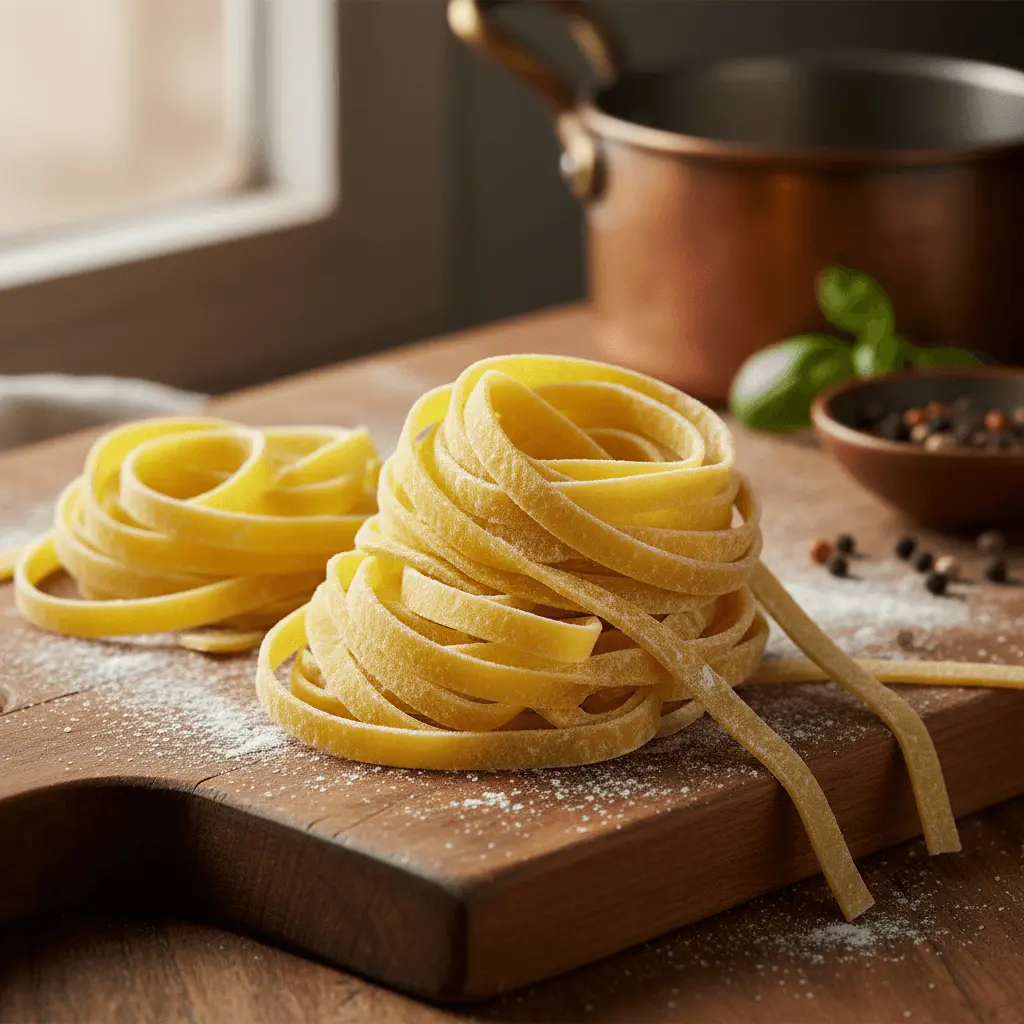
Introduction
Italian pasta holds a cherished place in global cuisine, a symbol of heartwarming meals and rich culinary tradition. Its history spans centuries, deeply rooted in the culture and daily life of Italy.
Delve into the fascinating journey of this beloved staple, with archeological evidence pointing to its presence in Etruscan civilization as early as the fourth century BC, as detailed in this historical overview of the rich history of Italian pasta.
Embarking on the journey of making fresh pasta at home is a truly rewarding experience. You will discover the unparalleled taste and texture that elevates simple ingredients into an extraordinary dish. Mastering these italian pasta recipes brings the soul of Italy right into your kitchen.
Why You’ll Love Making Homemade Italian Pasta
- Experience unparalleled fresh flavor and texture you simply cannot achieve with store-bought pasta.
- Enjoy the incredibly rewarding process of handcrafting something delicious from basic ingredients.
- Impress your guests and family alike with truly authentic italian pasta recipes that taste professional.
- Gain complete control over your ingredients, allowing for healthier, preservative-free meals tailored to your needs.
- Homemade pasta serves as an incredibly versatile base for countless delicious sauces, from robust ragùs to light, fresh pestos.
Ingredients for Classic Fresh Egg Pasta
Crafting delicious fresh pasta starts with just a few simple, high-quality ingredients. For this classic egg pasta recipe, you will need:
- 400g All-purpose Flour: Or specifically “00” flour for a finer texture.
- 4 Fresh Large Eggs: Approximately 70g each.
- A pinch of fine salt (optional, but enhances flavor).
Notes & Substitutions
“00” flour is a finely milled Italian wheat flour, giving pasta a silken, tender bite. All-purpose flour works well too, producing a slightly chewier result.
To achieve that classic silken texture in your pasta, it’s helpful to understand the distinctions between ’00’ and all-purpose flour, as explained by culinary experts.
For heartier pasta, especially if making shapes like orecchiette, consider incorporating semolina flour alongside your chosen wheat flour. The general egg-to-flour ratio is often one large egg per 100g of flour, which this recipe follows. For a vegan alternative, simply substitute the eggs with water and a drizzle of olive oil, adjusting the liquid until a pliable dough forms. Gluten-free flour blends can also be used, though they might require slight adjustments to hydration and kneading time.
Essential Equipment for Pasta Making
Making fresh pasta at home requires minimal specialized tools, but a few items make the process much smoother. You will need a large, clean work surface, ideally a wooden board, for kneading and shaping. Basic kitchen tools like a fork, a dough scraper, and plastic wrap are also essential. For consistent thickness, a manual pasta machine or a stand mixer attachment is highly recommended. Initially, a rolling pin helps flatten the dough before feeding it into the machine. Finally, a pasta drying rack or clean kitchen towels provide a perfect spot for your freshly cut pasta to air dry briefly.
Step-by-Step Instructions: Crafting Perfect Italian Pasta Dough
Embark on creating your own delicious italian pasta recipes from scratch. This process is both relaxing and incredibly rewarding.
Crafting the Dough
Begin by pouring the 400g of all-purpose flour onto your large, clean work surface. Form a flour mound and create a well, or “fontana,” in its center. Crack the four fresh eggs into this well, adding an optional pinch of fine salt. Use a fork to gently whisk the eggs, gradually incorporating small amounts of flour from the well’s inner walls. Work carefully to prevent the eggs from spilling. If any egg escapes, quickly pull it back with your fork or hands.
Once the eggs and flour are mostly combined into a shaggy mass, discard the fork. Begin to knead the dough vigorously with your hands. Push, fold, and turn the dough for at least 10–15 minutes. This develops the gluten, crucial for elastic, pliable pasta. The dough should become smooth, firm, and elastic, springing back slightly when poked. If it feels too dry, wet your hands with a few drops of water and continue kneading. If it is too sticky, add a tiny bit more flour. Form the dough into a ball, cover it tightly with plastic wrap, and let it rest at room temperature for a minimum of 30 minutes. This resting period allows the gluten to relax, making the dough easier to roll.
Shaping the Pasta by Hand (Optional)
While a pasta machine offers speed and consistency, you can shape pasta by hand. This traditional method involves using a long rolling pin to roll the dough out very thinly. You can then hand-cut ribbons or shape specific pasta types like orecchiette, cavatelli, or pici directly from the dough. This method requires practice but yields a rustic charm.
Shaping Pasta with a Machine (Recommended)
After resting, unwrap the dough. Cut off a small portion, keeping the remaining dough tightly wrapped to prevent drying. Flatten this piece into a rough oval using a rolling pin. Lightly flour the oval, then feed it through your pasta machine’s widest setting (usually 0 or 1).
Fold the dough in thirds, like a letter, and pass it through the widest setting again. Repeat this folding and rolling step 2-3 times. This helps to strengthen and smooth the dough, creating a perfect sheet for your italian pasta recipes. Now, without folding, gradually reduce the thickness setting on your machine, passing the dough through each setting once, until you reach your desired thickness. For most tagliatelle or fettuccine, settings 6 or 7 are ideal. Lightly flour the long pasta sheets as they emerge to prevent sticking.
Once all your dough is rolled into sheets, attach the cutter attachment to your pasta machine. Feed the floured pasta sheets through the cutter to create your desired shape, such as tagliatelle or fettuccine. Gently separate the cut pasta strands and lay them out over a clean, lightly floured kitchen towel or a pasta drying rack. Allow the fresh pasta to air dry briefly, about 15-30 minutes, to prevent sticking during cooking. Avoid piling it too high.
Cooking Your Fresh Pasta
Bring a large pot of generously salted water to a rolling boil. Fresh pasta cooks incredibly quickly. Add your homemade pasta to the boiling water, stirring gently to prevent sticking. Cook for only 1-3 minutes, depending on thickness, until it is perfectly al dente. Taste test frequently. Before draining, reserve about half a cup of the starchy pasta cooking water. Drain the pasta immediately and toss it directly with your preferred sauce. Use the reserved pasta water to loosen the sauce if needed, ensuring it coats the pasta beautifully.
Pro Tips & Troubleshooting for Homemade Pasta
Avoid over-flouring your work surface and dough during kneading, as this can make the pasta dry and crumbly. Ensure you knead the dough sufficiently, for at least 10-15 minutes, to develop elasticity and achieve a smooth texture. Always properly rest the dough for at least 30 minutes; this allows the gluten to relax, making it much easier to roll and shape. Strive for consistent sheet thickness when feeding dough through the pasta machine for even cooking. Lightly dust your cut pasta with flour and arrange it loosely to prevent strands from sticking together while drying. Always taste test your fresh pasta frequently while cooking to avoid overcooking, as it cooks rapidly. If your dough is too sticky, add a teaspoon of flour; if too dry, add a few drops of water, adjusting dough hydration until it feels just right.
Serving, Storage, and Variations
Fresh homemade pasta pairs beautifully with a vast array of classic Italian sauces. Enjoy it tossed with a rich Bolognese, a vibrant pesto, a creamy carbonara, or a simple yet elegant butter and sage sauce. The possibilities for italian pasta recipes are endless!
To store fresh pasta, you can refrigerate it, well-wrapped, for 1-2 days. For longer storage, freeze it for up to one month. Form nests of pasta, freeze them on a baking sheet, then transfer to an airtight container.
Beyond simple tagliatelle, explore diverse pasta shapes like ravioli, tortellini, or lasagna sheets, which you can easily make from your basic dough. For colorful and flavorful pasta, consider adding vegetable purees like spinach or beet to the dough for vibrant hues.
Nutritional Information
Making your own fresh pasta lets you control the ingredients for a wholesome meal. Below is an estimated nutritional breakdown for one serving (approximately 110g or 1/4th of the recipe), based on the ingredients used. Please note these values can vary based on exact portion sizes, brand of flour, and optional additions. Choosing whole wheat flour instead of all-purpose flour significantly boosts fiber content, offering a healthier twist to your favorite italian pasta recipes.
| Nutrient | Per Serving (Estimate) |
|---|---|
| Calories | 350 kcal |
| Protein | 12g |
| Carbohydrates | 60g |
| Fat | 6g |
Frequently Asked Questions about Italian Pasta
- What distinguishes Italian pasta from others? Authentic Italian pasta, especially fresh egg pasta, relies on simple, quality ingredients and a specific kneading technique, resulting in a unique texture and flavor.
- Is a pasta machine essential for making fresh pasta? While a pasta machine makes achieving consistent thinness much easier, you can absolutely make delicious fresh pasta using just a rolling pin and some patience.
- How long does fresh pasta stay good? Fresh, uncooked pasta can be refrigerated for 1-2 days, or frozen for up to one month. Cooked pasta should be eaten within 3-4 days when refrigerated.
- What are recommended sauces for fresh pasta? Fresh pasta shines with lighter, simpler sauces that let its delicate flavor come through, like pesto, cacio e pepe, or a fresh tomato sauce.
- Can I use alternative flours for this recipe? Yes, you can experiment with semolina for a firmer pasta or gluten-free blends, adjusting the liquid as needed to achieve the correct dough consistency for your italian pasta recipes.
Conclusion
Making homemade fresh Italian pasta is a deeply satisfying culinary adventure that brings joy and incredible flavor to your table. You will discover that the superior taste and texture of handcrafted pasta far surpass anything store-bought. These italian pasta recipes offer a versatile foundation for countless delicious meals, allowing you to create truly personalized dishes. Embrace this beginner-friendly journey, share your creations with loved ones, and savor the authentic taste of Italy. Your kitchen will soon become a hub for delightful Italian traditions.