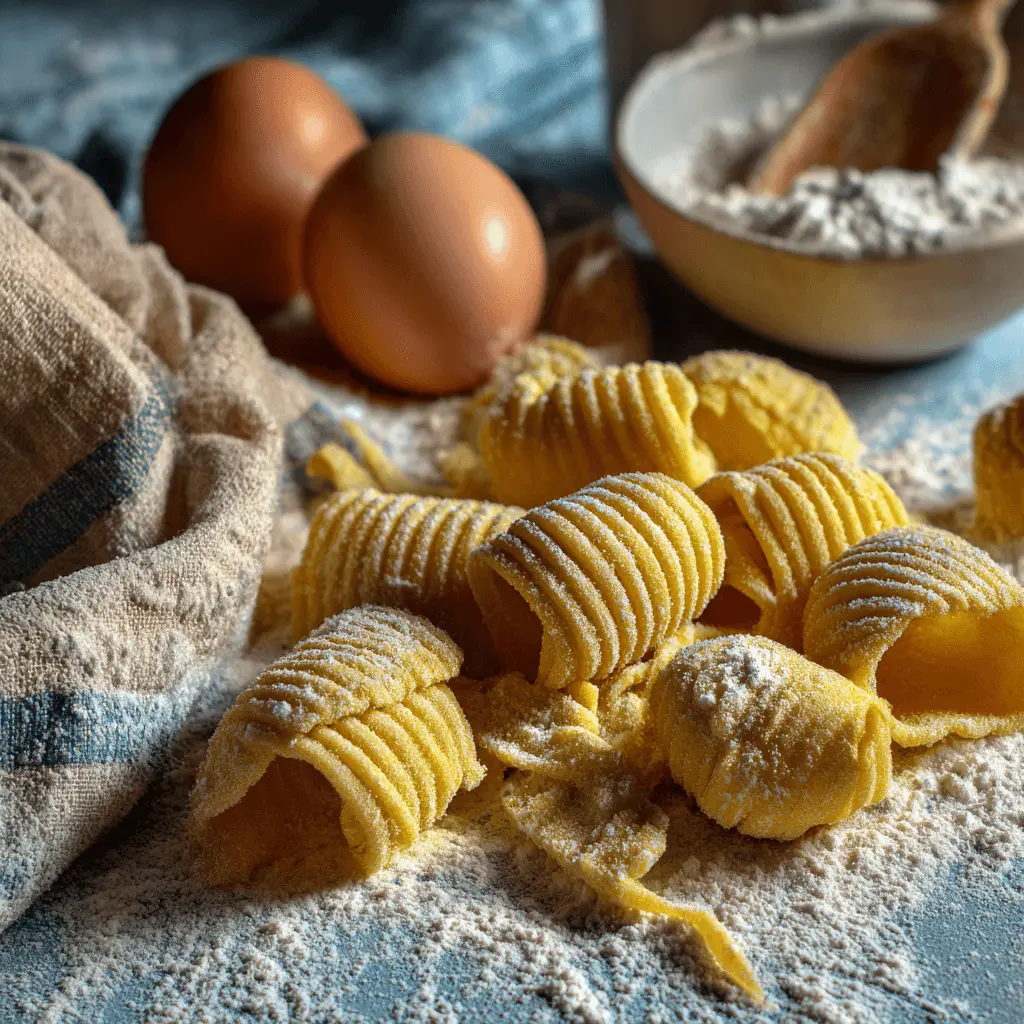
Discover the magic of creating your own delicious pasta right at home. This simple Italian pasta recipe embraces traditional cooking methods, bringing the heart of Italy to your kitchen. Discover the art of traditional Italian pasta making methods, deeply rooted in Italian culture and involving hand-kneading and rolling. Learn to make fresh, homemade pasta with just a few ingredients and easy-to-follow steps. It’s perfect for elevating any meal, transforming ordinary dinners into something truly special.
Why You’ll Love This Homemade Italian Pasta Recipe
You’ll quickly fall in love with this incredible Italian pasta recipe for many reasons.
- Experience the superior taste and texture that only fresh pasta can offer.
- Enjoy a fun and rewarding culinary project that’s surprisingly easy.
- It requires just two essential ingredients, making it incredibly accessible.
- Impress your family and friends with a truly authentic Italian dish.
- Connect with rich Italian heritage through the joy of homemade cooking.
To deepen your appreciation, explore the rich Italian heritage of pasta, its traditions, and cultural significance.
Ingredients
This classic Italian pasta recipe needs only two key ingredients. Quality makes a big difference here!
- 400g All-purpose Flour: The base for our delicious pasta dough.
- 4 Fresh Eggs: Large eggs, around 70g each, providing richness and binding.
Notes & Substitutions
You can use “00” flour, a finely milled Italian flour, for a silkier texture in your fresh pasta. All-purpose flour works wonderfully too, resulting in a slightly chewier pasta. Egg size is important for dough consistency; using fresh, large eggs ensures the right hydration. If your dough feels too dry, add a tiny bit of water. For a gluten-free option, substitute with a high-quality gluten-free all-purpose flour blend, though the texture might vary slightly. You might also adjust egg ratios slightly based on humidity or flour type.
Equipment
Gathering your tools beforehand makes the pasta-making process smooth and enjoyable.
- Large clean work surface or pastry board
- Fork or small whisk
- Rolling pin
- Pasta machine (manual or electric)
- Plastic wrap
- Kitchen towels or pasta drying rack
Step-by-Step Instructions for Your Italian Pasta Recipe
Follow these clear steps to create a delightful homemade Italian pasta recipe from scratch.
Making the Dough
Begin by creating your perfect pasta dough. This is the foundation of your authentic Italian experience.
- Create a Flour Mound: Pour the 400g of all-purpose flour directly onto your large clean work surface or pastry board. Shape it into a neat mound.
- Form a Well: Use your fingers to create a deep well, or “fontana,” in the center of the flour mound. Ensure the walls are high enough to contain the eggs.
- Add Eggs: Crack all four fresh eggs directly into the well you created.
- Whisk and Incorporate: Gently whisk the eggs with a fork, gradually pulling in small amounts of flour from the inner walls of the well. Continue this process carefully, preventing the eggs from spilling out. If they start to escape, quickly use your fork or hands to guide the flour back in.
- Knead Vigorously: Once the eggs and most of the flour are combined into a shaggy mass, push the mixture together with your hands. Knead the dough vigorously for at least 10 minutes. Use the heel of your hand to push, fold, and turn the dough until it becomes smooth, elastic, and uniform. If the dough feels too dry, wet your hands with a few drops of water and continue kneading.
- Rest the Dough: Form the kneaded dough into a ball. Wrap it tightly in plastic wrap to prevent it from drying out. Let it rest at room temperature for 30 minutes. This resting period allows the gluten to relax, making the dough easier to roll.
Rolling the Pasta Sheets
After resting, your dough is ready to be transformed into thin, delicate pasta sheets. This is an exciting part of making this Italian pasta recipe.
- Prepare Dough Portion: After 30 minutes, unwrap the dough and cut off a portion you intend to roll first. Immediately re-wrap the remaining dough tightly with plastic wrap to keep it from drying.
- Flatten with Rolling Pin: Lightly flour your work surface and the dough portion. Use a rolling pin to flatten this piece of dough into an oval disk, making it easier to feed into the pasta machine.
- Widest Setting: Set your pasta machine to its widest setting (usually 0 or 1). Lightly flour the flattened dough disk.
- First Pass: Run the oval disk through the pasta machine’s rollers on the widest setting. This initial pass helps to shape the dough.
- Fold and Roll: Take the dough sheet and fold both short edges towards the center, creating a roughly rectangular shape. Lightly flour it again. Run this folded dough through the widest setting rollers once more. Repeat this folding and rolling step several times (about 4-5 times). This process helps to strengthen the gluten and create a smooth, consistent sheet.
- Gradually Decrease Thickness: Now, without folding, run the dough sheet through the machine, decreasing the thickness setting one notch at a time. Roll the dough through each setting once, going from widest to the desired thickness.
- Desired Thickness: Continue rolling until the pasta sheet reaches your preferred thickness. For most shapes like tagliatelle or fettuccine, a setting of 6 or 7 on a 9-setting machine is usually ideal. Lay the finished pasta sheet on a lightly floured surface or clean kitchen towel.
- Repeat: Continue rolling the remaining dough portions, following the same steps, keeping unused dough covered.
Cutting & Drying Fresh Pasta
Once your sheets are rolled, it’s time to cut them into beautiful strands. This brings your fresh Italian pasta recipe to life.
- Lightly Flour Sheets: Generously dust your rolled pasta sheets with a little flour. This prevents them from sticking when cut.
- Attach Cutter: Attach your desired pasta cutter to the pasta machine (e.g., tagliatelle or fettuccine attachment).
- Run Through Cutter: Carefully feed one end of the floured pasta sheet through the cutter attachment. Gently support the strands as they emerge.
- Separate Strands: As the pasta comes out, gently separate the strands to prevent them from clumping together.
- Lay to Dry: Lay the freshly cut pasta strands in a single layer on a lightly floured kitchen towel or hang them on a pasta drying rack. Do not fold them over themselves initially, as this can cause sticking.
- Slight Drying: Allow the pasta to dry slightly for 15-30 minutes at room temperature. This partial drying prevents sticking during cooking and gives the pasta a good texture.
Cooking Your Homemade Pasta
Cooking fresh pasta is quick! It only takes a few minutes to achieve perfect al dente results for your Italian pasta recipe.
- Boil Water: Bring a large pot of generously salted water to a rolling boil. Use enough water so the pasta can move freely.
- Add Pasta: Carefully add the fresh pasta to the boiling water. Do not overcrowd the pot; cook in batches if necessary.
- Cook Al Dente: Cook for only 2-3 minutes, or until the pasta is al dente (tender yet firm to the bite). Fresh pasta cooks much faster than dried.
- Drain and Serve: Drain the cooked pasta quickly using a colander. Immediately toss it with your favorite warm sauce and serve.
Pro Tips for Perfect Italian Homemade Pasta
Mastering these tips will help you create the best homemade Italian pasta recipe every time.
- Dough Consistency: Your dough should be firm and elastic, not sticky or crumbly. Adjust with tiny amounts of flour or water during kneading if needed.
- Kneading Technique: Knead with the heel of your hand, pushing away from you, folding, and rotating the dough. This develops the gluten essential for great texture.
- Prevent Drying: Always keep unused dough tightly covered with plastic wrap. Dried dough becomes brittle and difficult to roll.
- Correct Thickness: Experiment with your pasta machine settings. Thicker pasta is good for robust sauces, while thinner sheets suit delicate ones.
- Drying & Sticking: Lightly flouring is key. Don’t let cut pasta sit in a pile; spread it out to prevent sticking before cooking.
- Cooking Fresh Pasta: Cook fresh pasta just until al dente. Overcooked fresh pasta can become gummy and lose its delightful chewiness.
Serving Suggestions, Storage, & Variations
This versatile Italian pasta recipe pairs beautifully with many sauces and stores well.
Serving Suggestions
- Toss with a rich, slow-simmered Bolognese or a classic marinara sauce.
- Enjoy it simply with melted butter, freshly grated Parmesan cheese, and a grind of black pepper.
- Pair with a creamy mushroom sauce for an earthy, comforting meal.
- Use it to absorb the savory flavors of leftover beef stew sauce for a delightful twist.
- Serve with vibrant pesto or a light olive oil-based sauce with garlic and chili flakes.
Storage Options
- Refrigerate Fresh Pasta: Store uncooked, lightly floured fresh pasta in an airtight container for up to 2-3 days.
- Store Lightly Dried Pasta: For slightly longer shelf life, allow pasta to dry completely (several hours or overnight) until brittle, then store in an airtight container at room temperature for up to a week.
- Freeze Uncooked Pasta: Shape individual portions into nests. Flash freeze on a baking sheet until solid, then transfer to a freezer-safe bag or container.
- Proper Packaging for Freezing: This method prevents sticking and allows you to cook portions directly from frozen, adding a minute or two to the cooking time. It can last for up to 1-2 months.
Pasta Variations
- Different Flour Blends: Try mixing semolina flour with all-purpose flour for a firmer, chewier texture.
- Spinach Pasta: Incorporate blanched, squeezed dry, and pureed spinach into the dough for beautiful green pasta.
- Herb Infusion: Add finely chopped fresh herbs like basil or parsley directly into the dough for subtle flavor.
- Various Shapes: Beyond tagliatelle, use your machine to make lasagna sheets or cut by hand into pappardelle.
Nutrition Information
Disclaimer: Nutrition information is an estimation based on ingredients and preparation, and may vary.
This homemade Italian pasta recipe offers wholesome carbohydrates and protein. It provides essential energy for your day. For a balanced meal, pair it with a lean protein source and plenty of fresh vegetables.
| Nutrient | Amount Per Serving (approx.) |
|---|---|
| Calories | 350 kcal |
| Total Fat | 7g |
| Saturated Fat | 2g |
| Cholesterol | 160mg |
| Sodium | 30mg |
| Total Carb. | 55g |
| Dietary Fiber | 2g |
| Sugars | 0g |
| Protein | 12g |
Frequently Asked Questions (FAQ)
Can I make fresh pasta without a pasta machine?
Yes, absolutely! You can use a rolling pin and a lot of elbow grease to roll the dough very thin. This traditional method requires patience but yields fantastic results.
How do I know if my pasta dough is kneaded enough?
The dough should feel smooth, elastic, and spring back when gently poked with your finger. It might also develop a slight “singing” sound as you knead it against the surface.
What is the best type of flour for homemade pasta?
“00” flour is traditionally preferred for its fine texture, which creates a silky pasta. However, good quality all-purpose flour also works beautifully, giving a slightly heartier result for your homemade Italian pasta recipe.
How long does homemade fresh pasta last?
Fresh, uncooked pasta can last 2-3 days in the refrigerator. If fully dried until brittle, it can store at room temperature for about a week, or frozen for up to 1-2 months.
Why is my pasta dough too sticky or too dry?
If it’s too sticky, gradually knead in tiny amounts of flour. If it’s too dry, wet your hands with a few drops of water and continue kneading. Humidity and egg size can affect dough consistency.
What sauces pair best with fresh egg pasta?
Fresh egg pasta is incredibly versatile, pairing well with rich, creamy sauces like carbonara, light olive oil-based sauces, or classic meat sauces like Bolognese.
Conclusion
Making your own fresh pasta is a rewarding culinary journey that proves simplicity yields incredible results. This authentic Italian pasta recipe empowers you to create a truly delicious dish with just two ingredients and a little love. Embrace the process, from kneading the dough to watching the strands emerge, and savor the superior taste of homemade. We encourage you to try this recipe and experience the joy of an authentic Italian meal at home. Share your beautiful creations with us!