Introduction
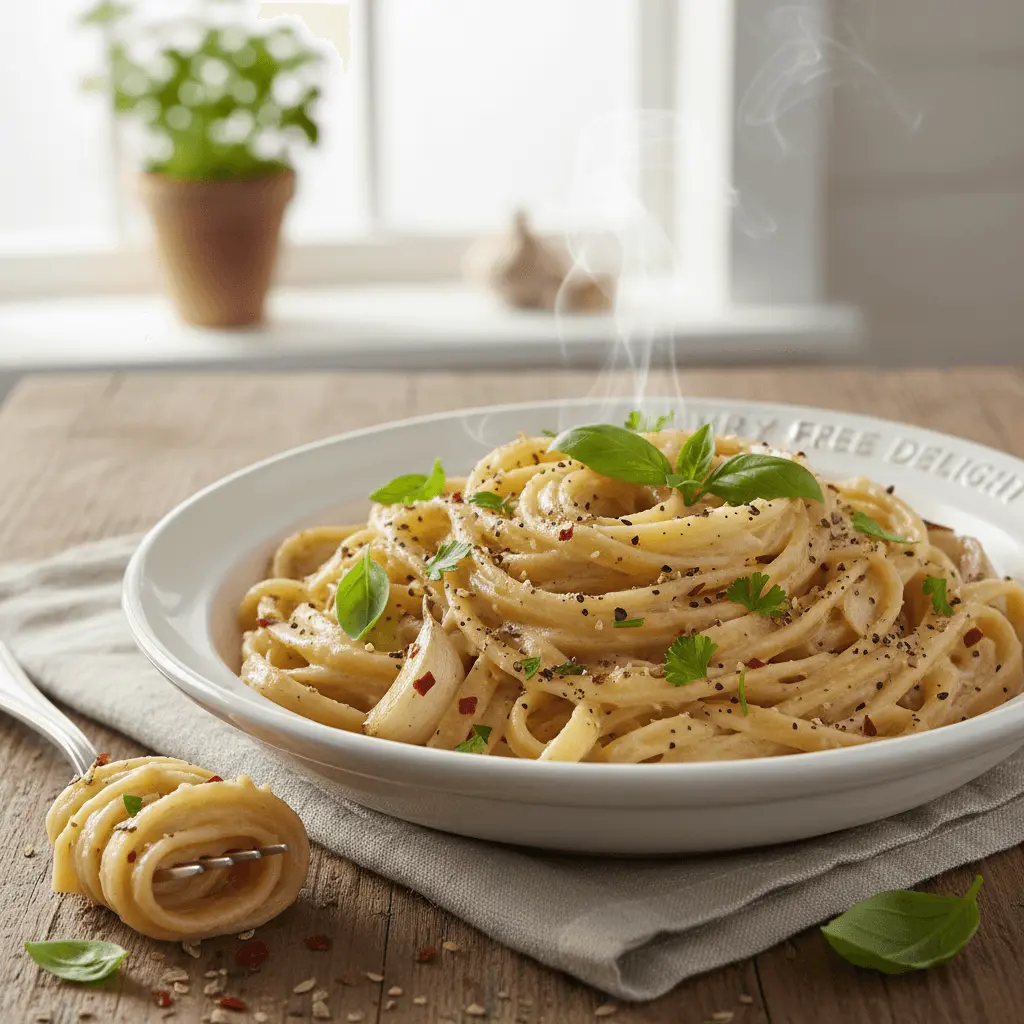
Discover this incredibly simple and comforting dairy-free pasta recipe. It delivers a rich, creamy, and satisfying experience without any dairy. This recipe is perfect for busy weeknights when you need a quick yet flavorful meal on the table. Best of all, its one-pot method means minimal cleanup, making your cooking experience truly effortless. Get ready to enjoy a delicious vegan pasta dish!
Many individuals find that adopting a dairy-free diet can offer various health benefits. For more insights, explore the top benefits of a dairy-free diet.
Why You’ll Love This Dairy-Free Pasta Recipe
You will quickly fall in love with this fantastic dairy-free pasta recipe for many compelling reasons. It’s an effortless one-pot meal, simplifying both cooking and cleanup. Enjoy a wonderfully rich and creamy texture that perfectly mimics traditional pasta, all without needing any dairy ingredients. This delightful dish comes together in just about 35 minutes, making it ideal for busy schedules. It’s also incredibly versatile, allowing you to easily customize it with your favorite add-ins. Plus, it’s a wholesome and satisfying plant-based option everyone will enjoy.
Ingredients
- 1/2 tbsp olive oil
- 4 cloves garlic, minced
- 1 shallot, finely chopped
- 2 cups low-sodium vegetable broth
- 1 1/2 cups plain, unsweetened non-dairy milk
- 1 tsp salt, plus more to taste
- 8 oz dry fettuccine
- Black pepper, dried oregano, red pepper flakes, to taste
- Chopped fresh basil or parsley, for serving
Notes & Substitutions
Crafting delicious dairy-free pasta recipes starts with the right ingredients. For the Non-Dairy Milk, always choose plain, unsweetened varieties like soy, oat, or cashew milk to avoid unwanted sweetness. Using Low-sodium Vegetable Broth is crucial; it prevents your dish from becoming overly salty, giving you control over seasoning. While Fettuccine works best for its ability to absorb the creamy sauce, feel free to use other pasta shapes, adjusting liquid amounts and cooking times as needed. To enhance the Cheesy Flavor, stir in a tablespoon or two of nutritional yeast or a teaspoon of white miso paste. Remember to adjust Salt based on your broth’s sodium content and your personal preference.
Equipment
You only need a few basic tools to create this fantastic dairy-free pasta recipe. Grab a large skillet or pot that is wide enough to comfortably fit your pasta, minimizing breakage. A sturdy cutting board and a sharp knife are essential for preparing your garlic and shallot. Keep measuring cups and spoons handy for precise ingredient additions. Finally, tongs will be your best friend for gently stirring the pasta and preventing it from sticking as it cooks.
Instructions
- Sauté aromatics: Heat the olive oil in your large skillet over medium heat. If possible, use a skillet wide enough to completely fit the fettuccine, as this makes the process smoother. Smaller pans will still work, but may require more effort to stir and submerge the pasta as it softens. This initial step builds the flavor base for your amazing dairy-free pasta recipe.
- Cook garlic and shallot: Add the minced garlic and finely chopped shallot to the pan, along with a sprinkle of salt. Stir everything together. Cook for about 2 minutes, stirring occasionally, until the garlic is fragrant and softened, and the shallot turns translucent. Be careful to avoid browning the garlic, as it can become bitter.
- Add liquids and pasta: Pour in the vegetable broth, non-dairy milk, and the initial teaspoon of salt. Give it a good stir. Carefully add the dry fettuccine, gently prodding it to submerge it under the liquid. If not all of the pasta fits immediately, don’t worry; you can gently push the remaining portions into the pan after the submerged pasta has softened slightly.
- Boil and simmer: Bring the mixture to a rolling boil over medium-high heat. Once boiling, reduce the heat to a gentle simmer. This controlled heat ensures the pasta cooks evenly and the sauce thickens perfectly.
- Cook until creamy: Continue to cook the pasta for approximately 20 minutes, or until the sauce has thickened beautifully and coated the pasta, and the fettuccine reaches your desired al dente texture. Stir occasionally throughout this step, gently separating any pasta strands that start to stick together. If you notice too much liquid evaporating too quickly, reduce the heat a bit more and add another splash of non-dairy milk to maintain creaminess. This technique ensures a wonderfully creamy dairy-free pasta recipe.
- Adjust seasoning: Taste the pasta and the sauce. Now is the time to add more salt, black pepper, dried oregano, or red pepper flakes to suit your preference. Achieve your perfect flavor balance.
- Serve immediately: Garnish your freshly cooked creamy garlic pasta with plenty of chopped fresh basil or parsley. Serve it hot and enjoy this comforting meal right away.
Pro Tips for Dairy-Free Pasta
Elevate your dairy-free pasta recipes with these expert tips. Season generously: Always taste and adjust your seasonings throughout the cooking process for the best flavor outcome. Choose the right milk: Opt for unsweetened, neutral-flavored non-dairy milk like oat, soy, or cashew for optimal results. For a comprehensive overview, review this nutritional comparison of milk alternatives. Prevent sticking: Stir the pasta frequently during simmering to ensure even cooking and prevent it from clumping together. Achieve creaminess: If your sauce becomes too thick, simply add an extra splash of non-dairy milk or vegetable broth until it reaches your desired consistency. Gentle simmer: Maintain a gentle simmer to prevent the liquid from evaporating too quickly, ensuring the pasta cooks thoroughly. Skillet size matters: A wide pan helps reduce pasta breakage and allows for better liquid distribution.
Serving, Storage, & Variations
Serving Suggestions
Garnish your finished dairy-free pasta recipe with fresh basil or parsley for a pop of color and flavor. Sprinkle a generous amount of vegan Parmesan cheese on top for an extra layer of savory goodness. Serve this comforting dish alongside a crisp green salad with a light vinaigrette. Pair it with warm, crusty garlic bread for a complete and satisfying meal.
Storage Instructions
Allow your pasta to cool completely to room temperature before storing it. Transfer the cooled pasta to an airtight container and refrigerate for up to 3-5 days. To reheat, gently warm on the stovetop over low heat or in the microwave. If the pasta seems dry, add a splash of non-dairy milk or vegetable broth to restore its creamy texture. Freezing this dish is not recommended, as the pasta’s texture may degrade upon thawing.
Variations
Customize this dairy-free pasta recipe to your liking with these delicious ideas. Add Vegetables: Stir in fresh spinach or kale during the last few minutes of cooking, or sauté mushrooms and sun-dried tomatoes with the shallots. Boost Protein: Incorporate cooked chickpeas, white beans, or sliced vegan sausage for a heartier meal. Spice it up: For a kick, include extra red pepper flakes along with the seasonings. Gluten-Free: Easily make this dish gluten-free by using your favorite gluten-free pasta. Lemon Freshness: Squeeze a bit of fresh lemon juice over individual servings just before eating for a bright, zesty finish.
Nutrition Information
This dairy-free pasta recipe offers a wholesome and satisfying meal.
- Per serving (1/3 recipe):
- Calories: 362 kcal
- Carbohydrates: 62g
- Protein: 14g
- Fat: 6g
- Saturated Fat: 1g
- Sodium: 659mg
- Fiber: 4g
- Sugar: 6g
- Note: Values are estimates and may vary based on specific ingredients and brands used.
Frequently Asked Questions (FAQ)
- Can I use any type of non-dairy milk?
- Soy, oat, or cashew milk are recommended for their neutral flavor and creamy texture. Always avoid sweetened or strongly flavored varieties, as they can significantly alter the taste of your dairy-free pasta recipes. Coconut milk may also impart a distinct flavor that might not suit this dish.
- Is this recipe freezer-friendly?
- This creamy pasta dish is not ideal for freezing. The texture of the pasta tends to change and become mushy upon thawing, so it’s best enjoyed fresh. Leftovers, however, store well in the refrigerator for several days.
- Can I add more vegetables to this recipe?
- Absolutely, adding more vegetables is a great idea for extra nutrition and flavor. Spinach, kale, and mushrooms are excellent additions that work wonderfully here. You can sauté heartier vegetables like mushrooms or bell peppers with the shallots for best results.
- How can I make this dish gluten-free?
- Making this dish gluten-free is very simple. Just use your preferred gluten-free pasta, ensuring it’s an appropriate shape like fettuccine or linguine for the sauce. Always double-check that all other ingredients, such as vegetable broth, are certified gluten-free.
- Why is it called “one-pot”?
- This recipe earns its “one-pot” title because all the main ingredients, including the pasta, cook together in a single pot or skillet. This method minimizes cleanup significantly, making it a fantastic choice for quick weeknight meals. It streamlines the cooking process for delicious dairy-free pasta recipes.
Conclusion
We hope you enjoy preparing and savoring this quick, flavorful, and incredibly satisfying dairy-free pasta recipe. It provides a wonderfully creamy and comforting meal that suits any occasion, proving that delicious pasta doesn’t need dairy. Whether you follow a dairy-free diet or simply seek a delightful plant-based option, this recipe delivers on taste and simplicity. Share your experience and any creative twists you try in the comments below; we love hearing from you!