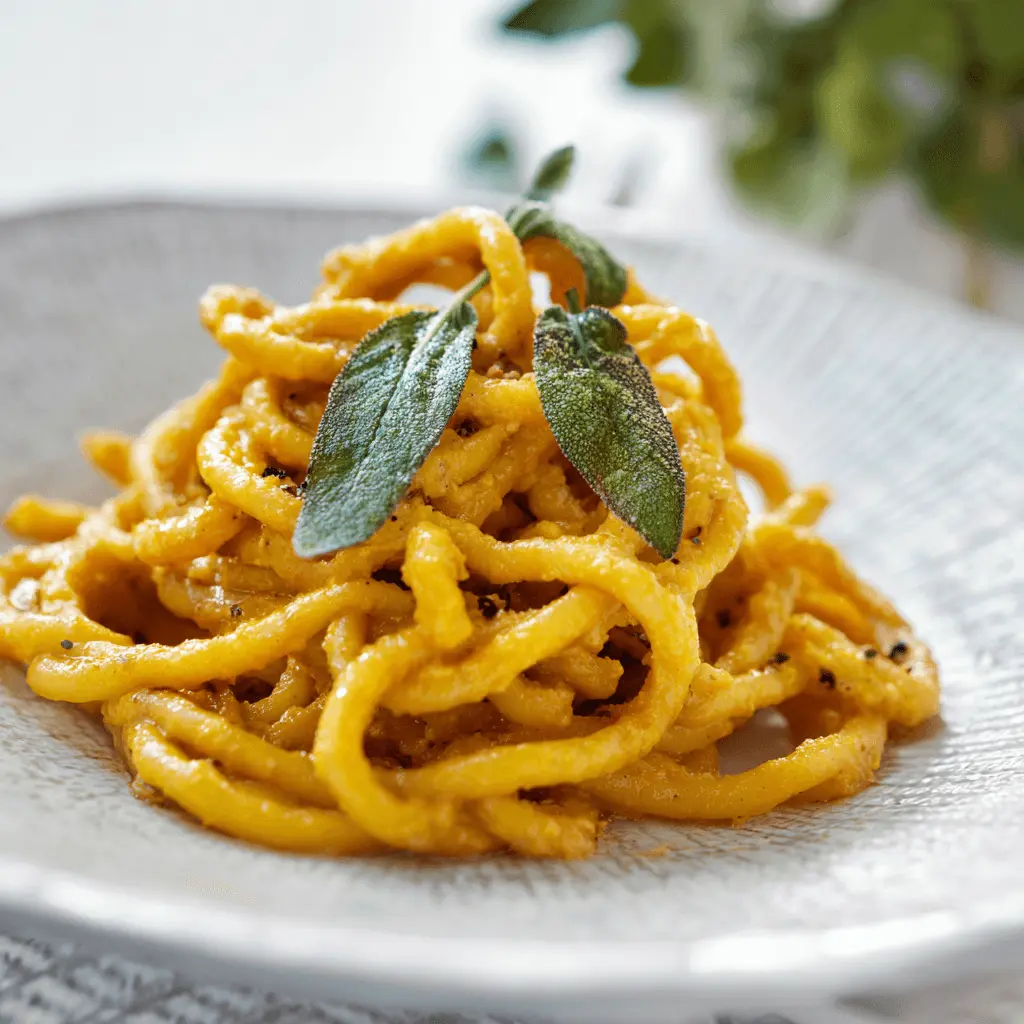
Making fresh, homemade pasta might seem intimidating, but this gluten free pasta recipe makes it incredibly simple. You will achieve perfectly textured, delicate noodles that taste amazing. It is a fantastic way to elevate any meal and enjoy a truly special, family-friendly dish, even on a gluten-free diet. Get ready to ditch the box!
Why You’ll Love This Recipe
This homemade gluten-free pasta yields soft, silky, and delicious noodles every time. They cook perfectly and absorb your favorite sauces beautifully. You do not need complex tools; simple techniques are all it takes to create this culinary masterpiece. It transforms an ordinary meal into something truly special and memorable. Enjoy incredible, family-friendly pasta dishes everyone will love.
Ingredients
Gather these simple ingredients to create your own delicious gluten free pasta recipe:
- 1¾ cups gluten-free all-purpose flour with xanthan gum
- 1 tsp xanthan gum (omit if your blend already contains it)
- ½ tsp fine sea salt
- 3 large eggs
- 2 tbsp water
- 1 tbsp olive oil
Notes & Substitutions
Eggs are essential for the structure and texture of this pasta; we do not recommend using an egg replacer. For best results, use a high-quality gluten-free all-purpose flour blend specifically designed for baking, such as King Arthur or Bob’s Red Mill 1-to-1. You may need to adjust the amount of water or flour slightly depending on the humidity and your specific flour blend. The dough consistency is key.
Equipment
You will need a few basic tools to prepare this fantastic homemade gluten-free pasta. Grab a large mixing bowl for combining ingredients. A fork or your fingers work well for initial mixing. You will also need a clean, lightly floured surface for kneading. Plastic wrap helps the dough rest properly. A rolling pin or a pasta machine will flatten your dough, and a sharp knife or pizza cutter will cut your noodles. Finally, a large pot for boiling your fresh pasta is essential.
Instructions
Follow these step-by-step instructions to create your perfect gluten free pasta recipe:
- Combine dry ingredients: In a large mixing bowl, combine the gluten-free all-purpose flour, xanthan gum (if your blend doesn’t include it), and fine sea salt. Whisk these dry ingredients thoroughly to ensure they are evenly distributed.
- Add wet ingredients: Create a wide well in the center of your dry flour mixture. Crack the three large eggs directly into this well. Then, add the specified amounts of water and olive oil into the well alongside the eggs.
- Form dough: Using a fork or your fingers, begin to gradually incorporate the surrounding flour mixture into the wet ingredients in the well. Continue mixing until the ingredients come together and form a shaggy, cohesive dough.
- Knead dough: Transfer the shaggy dough onto a clean, lightly floured surface. Knead the dough vigorously for about 5-7 minutes. It should transform into a smooth, elastic ball. If the dough feels too dry and crumbly, add water a teaspoon at a time. If it becomes too sticky, sprinkle in a little more gluten-free flour. You can also use a stand mixer with a dough hook for this step, finishing by hand to check consistency.
- Rest dough: Shape the kneaded dough into a neat ball. Wrap it tightly in plastic wrap to prevent it from drying out. Let the dough rest at room temperature for at least 30 minutes. This resting period allows the gluten-free flours to hydrate fully and the dough to relax, making it easier to roll.
- Portion and flatten: After resting, unwrap the dough and divide it into 4 equal portions for easier handling. Take each portion and gently flatten it into a disk shape with your hands.
- Roll pasta: Lightly dust a sheet of parchment paper and your rolling pin with gluten-free flour. Place one dough disk on the parchment. Roll out each portion of dough into a thin rectangular sheet, aiming for a thickness of about 1/16 to 1/8 inch. Work quickly and dust with flour as needed to prevent sticking.
- Cut pasta: Use a sharp knife or a pizza cutter to carefully cut the rolled-out dough into your desired pasta shapes. Classic options include fettuccine, linguine, or wide sheets for lasagna. Repeat the rolling and cutting process with the remaining portions of dough until all your homemade pasta is formed.
- Cook pasta: Bring a large pot of heavily salted water to a rapid rolling boil. Carefully add the fresh gluten-free pasta to the boiling water. Cook for only 2-3 minutes, or until the pasta is al dente and floats to the surface. Fresh pasta cooks very quickly. Immediately drain the cooked pasta and serve it with your favorite sauce.
Pro Tips & Troubleshooting
Flour Choices: The success of this gluten-free pasta depends on your flour blend. Research shows xanthan gum’s positive impact on the texture and elasticity of gluten-free baked goods. Use a high-quality all-purpose gluten-free blend that includes starches like tapioca or potato for elasticity.
Dough Consistency: Your dough should be firm but pliable, not sticky or crumbly. Adjust with small amounts of water or flour during kneading until it feels smooth and slightly elastic.
Don’t Overcook: Fresh gluten-free noodles cook very fast, usually within 2-3 minutes. Overcooking results in mushy pasta, so watch it closely.
Drying Pasta: For short-term storage, you can lightly dust cut pasta with flour and arrange it on a baking sheet to air dry for 30 minutes before cooking. For longer storage, allow it to dry completely on a rack for several hours until brittle.
Pasta Machine Use: If using a pasta machine, flatten each dough disk slightly first. Feed it through the widest setting, then progressively narrower settings until you reach your desired thickness. Dust with flour between passes if needed.
Serving, Storage, & Variations
Serving Suggestions
Your fresh gluten-free pasta is incredibly versatile! Pair it with a classic marinara or gluten-free spaghetti sauce for a comforting meal. Toss it with a rich and creamy Alfredo sauce for an indulgent dinner. It also tastes fantastic with a zesty vegan vodka sauce. Do not hesitate to use your favorite pasta sauce to complement these delicious homemade noodles.
Storage Instructions
Dough: You can prepare the pasta dough ahead of time. Wrap it tightly in plastic wrap and refrigerate for up to 3 days. For longer storage, freeze the dough for up to 3 months; thaw it overnight in the refrigerator before use.
Cooked Pasta: Store any leftover cooked pasta in an airtight container in the refrigerator for up to 3 days. Reheat gently with a splash of water or sauce.
Variations
Get creative with your homemade gluten-free pasta! Use the dough to make delicious stuffed pasta like ravioli or pierogi. Explore different hand-cut shapes beyond ribbons, such as orecchiette or cavatelli. For a burst of flavor and color, finely chop fresh herbs like basil or parsley and knead them directly into the dough for herbed pasta.
Nutrition
Making your own gluten-free pasta offers a fresh alternative. Here’s a general nutritional breakdown per serving:
| Nutrition Facts | Amount |
|---|---|
| Serving Size | 1 |
| Calories | 262 kcal |
| Carbohydrates | 39 g |
| Protein | 10 g |
| Fat | 9 g |
| Saturated Fat | 2 g |
| Trans Fat | 0.01 g |
| Cholesterol | 140 mg |
| Sodium | 366 mg |
| Fiber | 6 g |
| Sugar | 2 g |
| Vitamin A | 203 IU |
| Calcium | 56 mg |
| Iron | 3 mg |
| Polyunsaturated Fat | 1 g |
| Monounsaturated Fat | 4 g |
| Potassium | 54 mg |
FAQ
Can I make this pasta without a pasta machine? Yes, absolutely! A rolling pin and a sharp knife are perfectly sufficient to make beautiful, even noodles for this gluten free pasta recipe.
How long does homemade gluten-free pasta cook? Fresh gluten-free pasta cooks incredibly fast. It typically only needs 2-3 minutes in boiling salted water until it is al dente.
Can I freeze gluten-free pasta dough? Yes, you can freeze the dough. Wrap it tightly in plastic wrap and store it in the freezer for up to 3 months. Thaw overnight in the refrigerator before rolling.
What is the best gluten-free flour blend to use? Opt for a high-quality all-purpose gluten-free flour blend that is specifically designed for baking. Brands like King Arthur or Bob’s Red Mill 1-to-1 work wonderfully.
Can I make this recipe egg-free? We do not recommend making this particular recipe egg-free. Eggs provide crucial structure and elasticity for this specific gluten-free pasta dough.
Conclusion
Creating your own homemade gluten free pasta recipe is an incredibly rewarding experience. It is much easier than you might think and delivers an unparalleled fresh taste and texture. For those managing celiac disease or gluten sensitivity, understanding the essentials of a gluten-free diet is key to a healthy lifestyle. Do not hesitate to try making this delicious pasta from scratch; it will become a staple in your kitchen. Enjoy the versatility of these noodles with all your favorite sauces and elevate your gluten-free dining experience!